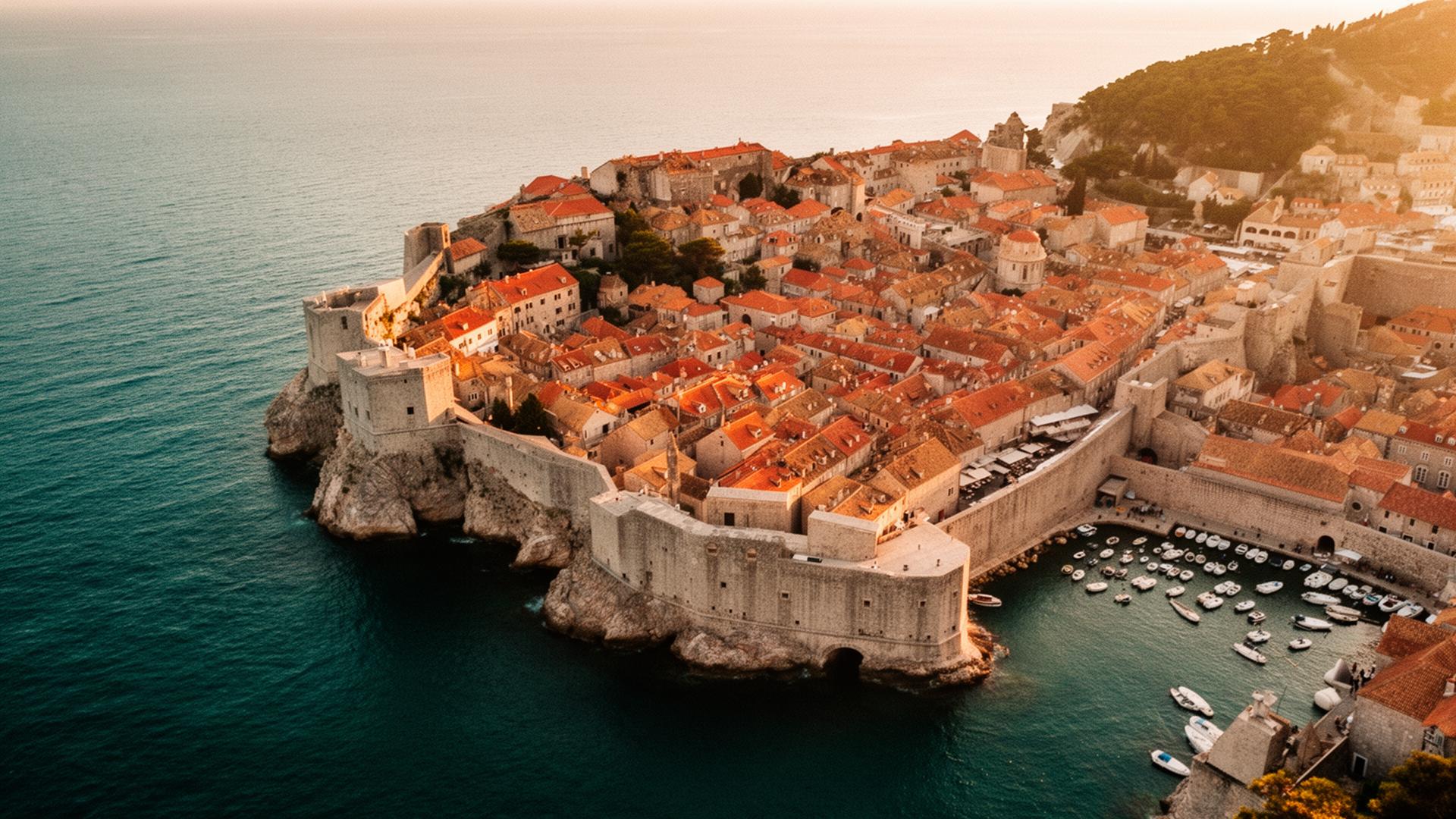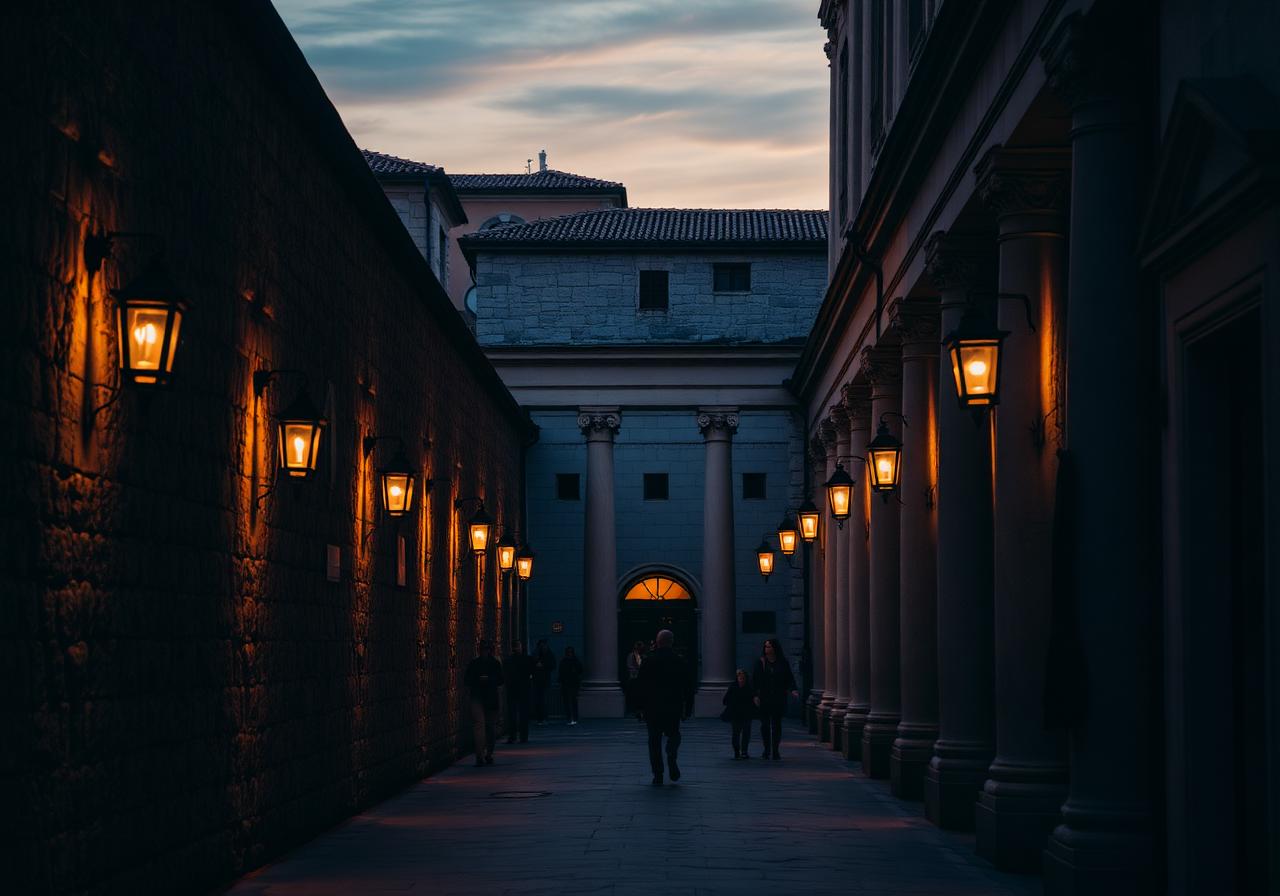
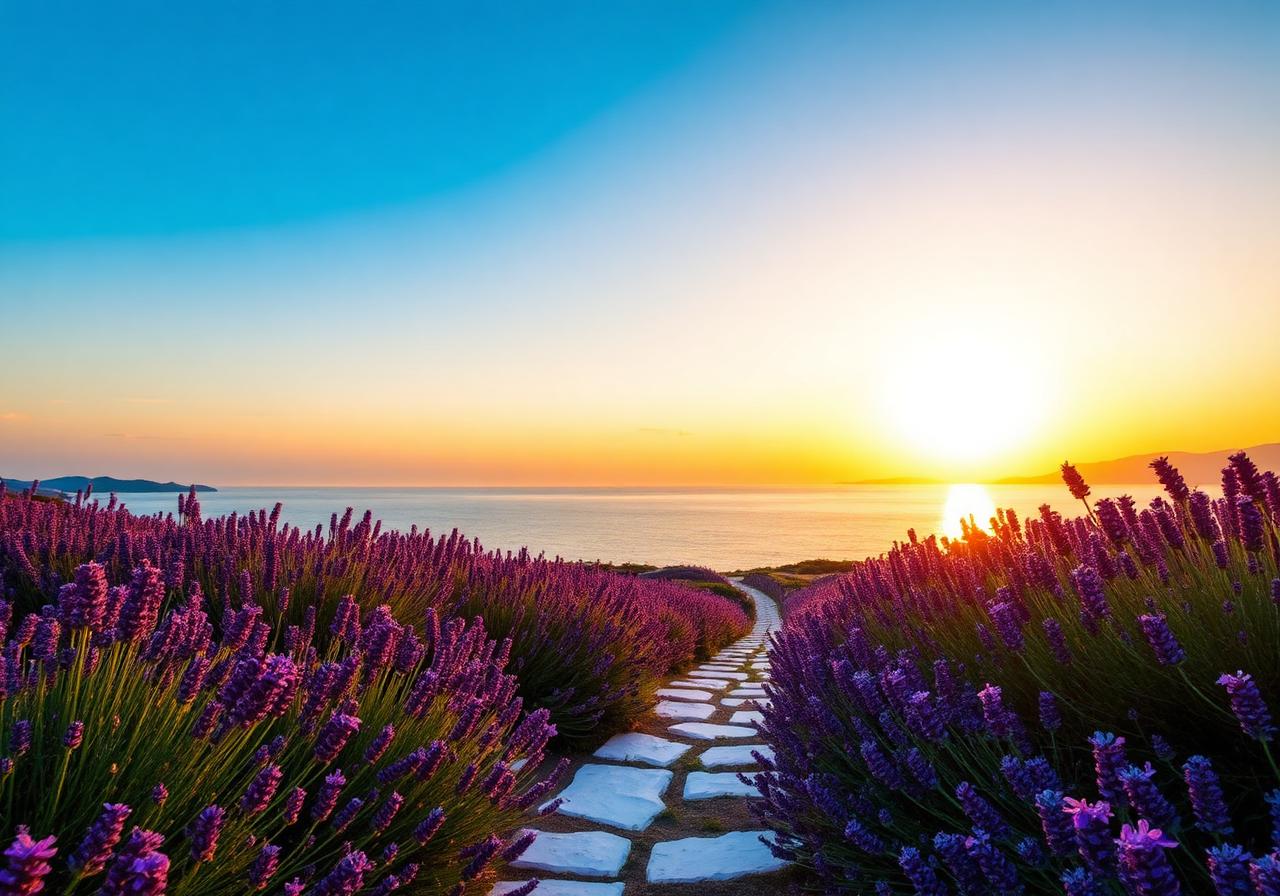
Imagine Croatia, but without the crowds. The relentless summer sun mellowed, the sea still invitingly warm, and the locals, finally able to breathe, returning to their natural rhythms. This isn't a dream; it's what awaits visitors to Croatia in October. We, at Convoo, have a soft spot for this 'shoulder season' month, and for good reason. It's when Croatia sheds its summer-tourism skin and just is itself, offering a more authentic, intimate, and often more affordable experience. Forget the frantic pace of August; October is for savouring.
Every year, as the summer frenzy subsides, we hear the same sentiment from our friends in the hospitality industry, particularly in places like Hvar and Dubrovnik. They love the first week of October. Why? Because the relentless pressure of peak season eases, but the weather and the sea remain glorious. It’s a sweet spot, a hidden gem that many tourists overlook. This guide is your insider's look at why October might just be the best time to visit Croatia, covering everything from the surprisingly pleasant weather to swimming opportunities and the significant savings you can enjoy.
Croatia in October: The Weather, Honestly
Let's cut right to it: the weather in October is generally fantastic, especially along the Adriatic coast. It's a noticeable shift from the intense heat of July and August, yet far from the bite of winter. Think long, sunny days perfect for exploration, with a crispness in the air that makes hiking and city strolling a joy. However, like any transitional month, there's a nuanced difference between early and late October.
Early October (1st – 15th)
- Coastal regions (Dubrovnik, Split, Hvar, Istria): Expect highs of 22–25°C (72–77°F). The sea temperature hovers around 22°C (72°F). Rainfall is minimal, often near-zero on the coast, with bright, clear skies dominating.
- Inland (Zagreb, Plitvice Lakes): Temperatures are a bit cooler, with highs of 18–21°C (64–70°F). The foliage begins its spectacular transformation into autumnal hues, making for breathtaking photography light, especially in the national parks.
These first two weeks often feel like an extension of summer, but with a gentler touch. The sun is still powerful enough to warm your skin, but without the oppressive humidity that can make August sightseeing a sweaty endeavour. It's ideal weather for alfresco dining, exploring ancient city walls, or enjoying a leisurely walk along the Riva without jostling through crowds.
Late October (16th – 31st)
- Coastal regions: Highs typically range from 18–21°C (64–70°F). The sea temperature gradually cools to around 20°C (68°F). You might encounter occasional rainy days, but they are usually short-lived, with sunshine returning quickly.
- Inland: Expect highs of 15–18°C (59–64°F). The autumn colours reach their peak, particularly around Plitvice Lakes, making it a prime time for nature photographers and hikers. Nights can become quite cool, so packing layers is essential.
While cooler, late October still offers plenty of pleasant days. The atmosphere becomes more serene, almost contemplative. The landscape truly comes alive with the vibrant tapestry of autumn colours. If you're a fan of crisp air, fewer people, and stunning natural beauty, this period is particularly rewarding. Don't be surprised if you still find locals enjoying coffee outdoors well into the afternoon.
Can You Still Swim in Croatian Waters in October?
This is one of the most frequently asked questions about visiting Croatia in October, and the answer is a resounding yes, well into mid-October, and often beyond for the brave! The Adriatic Sea, having soaked up the sun's warmth all summer, retains its heat surprisingly well into the autumn months. Think of it like a giant, natural solar panel.
During the first half of October, the sea temperature usually hovers around 22°C (72°F). This is perfectly comfortable for most people, comparable to a heated swimming pool. Even in late October, when the sea cools to around 20°C (68°F), many find it refreshing and enjoyable. We've seen locals persist with their daily dips until the water hits 18°C (64°F), often in just a t-shirt, usually in late October or even early November – a true testament to the Adriatic's lingering warmth.
To make the most of your autumnal swims, a few practical tips: bring a good quality, quick-dry towel. The sun sets around 18:00 (6 PM) in early October, gradually earlier towards the end of the month. To ensure you dry off in pleasant warmth, aim to finish your swim by 16:00 (4 PM). After that, the air can get a bit chilly as the sun dips lower. We highly recommend a post-swim cup of warm tea or coffee at a seaside cafe to truly embrace the shoulder-season vibe.
What's Open, What's Closed: Navigating October's Offerings
One common concern about the shoulder season is the availability of attractions and services. The good news is that most key attractions and city amenities remain fully operational throughout October. The rhythm just slows down, becoming more relaxed and less frantic.
Full Steam Ahead: What Remains Open
- Cities & Historic Sites: All major cities like Dubrovnik, Split, Zagreb, and Rovinj are bustling, albeit with fewer crowds. The iconic Dubrovnik city walls, Diocletian's Palace in Split, and countless museums and galleries across the country remain open.
- National Parks: Plitvice Lakes National Park and Krka National Park are particularly stunning in October, adorned with autumn colours. All their trails and facilities are open, offering a serene experience away from the summer hordes. Learn more about navigating Plitvice Lakes National Park for specific tips.
- Major Island Restaurants: Many restaurants, especially those in larger towns on islands like Hvar and Korčula, stay open until around October 15th, or even longer if the weather holds and there's demand. Expect authentic seasonal menus.
Slightly Reduced: Things to be Aware Of
- Ferry Schedules: This is perhaps the most significant change. Ferry and catamaran schedules typically switch to their winter timetables around October 1st. This means fewer daily departures and some routes might become less frequent. Always check the latest schedules from providers like Jadrolinija well in advance. Our comprehensive Split to Hvar ferry guide has specific details and links.
- Tourist Information Offices: While still open, their hours might be slightly reduced compared to peak season.
Winding Down: What Closes for the Season
- Smaller Island Konobas & Beach Bars: Many of the smaller, family-run konobas (traditional taverns) on the islands, especially those in more remote coves or dedicated beach bars, will start to close their doors for the winter by mid-October.
- Beach Clubs & Party Boats: The vibrant party scene of places like Hvar Town winds down significantly. Beach clubs and party boat excursions will have ceased operations by early to mid-October.
- Seasonal Tour Operators: Some niche tours, particularly those focused on water sports or very remote island excursions, may no longer be available. However, walking tours and cultural excursions in cities remain active.
The key here is to plan slightly ahead, especially regarding inter-island travel. But for city exploration, national park visits, and enjoying the relaxed pace of Croatian life, October presents very few obstacles.
Embracing Local Life: What October Does Best
October is when Croatia stops performing for visitors and just is itself. The konoba menus shrink to what's actually in season. The waiter has time to talk. The bill is a third less, and the smile is genuine, not forced by exhaustion.
This quote perfectly encapsulates the essence of October in Croatia. It's a month that celebrates authenticity, seasonality, and connection. You’ll feel less like a tourist and more like a welcome guest.
A Gastronomic Paradise: Food and Wine
For foodies, October is a dream come true. This is when Croatia's culinary scene truly shines, focusing on incredible fresh, seasonal produce.
- Olive Harvest: The highlight for many. The olive harvest begins in late October and continues into mid-November. This is when the first precious bottles of cold-pressed, extra virgin olive oil appear in markets and on restaurant tables. Tasting this vibrant green, peppery oil, often within hours of pressing, is an unforgettable experience. Head to Istria or the islands like Hvar and Brač to witness the harvest firsthand.
- Truffle Season: Istria is world-renowned for its truffles, and October is peak season, especially for the prized white truffle. Many restaurants offer special truffle menus, and you can even join truffle hunting tours. It's an earthy, luxurious flavour that defines autumn in this region. Explore more about eating in Dalmatian coastal konobas for year-round tips, but know October is special.
- Wine Harvest: The grape harvest (or berba) usually concludes in September, but October is when the first new wines begin to appear. Many wineries offer tastings and tours, providing insight into Croatia's burgeoning wine industry. The island of Hvar, for instance, produces exceptional reds and whites. Pair a robust Dingač or Plavac Mali with your autumn meal.
- Chestnut Season: As the air cools, street vendors in cities like Zagreb and Split start roasting chestnuts (kesteni). The sweet, smoky aroma fills the air – a simple, comforting treat.
- Wild Mushrooms & Game: In the forested inland regions and parts of Istria, wild mushrooms and seasonal game meats become prominent on menus, offering hearty and delicious fare.
Culture and Exploration Without the Crowds
October is ideal for cultural immersion and exploring historical sites without the oppressive crowds of summer.
- Fewer Cruise Ships in Dubrovnik: This is a game-changer for perhaps Croatia's most famous city. While August can see 3-5 cruise ships a day, October often sees this number drop to one every other day or even less. This dramatically reduces congestion on the city walls and inside the Old Town, allowing for a far more enjoyable and contemplative visit. Discover a less crowded Dubrovnik itinerary here.
- Art & Music Festivals: Many towns host cultural events and local festivals that cater to a local audience rather than tourists, offering a genuine glimpse into Croatian life. Look out for local grape harvest celebrations or olive oil festivals.
- Hiking & Biking: With cooler temperatures, October is perfect for active holidays. The many national and nature parks, islands, and coastal trails offer incredible opportunities for hiking and biking, often with stunning views framed by autumn colours. Explore the interior of Hvar beyond the marina for some excellent hiking trails.
Prices: Your Wallet Will Thank You
One of the most compelling reasons to visit Croatia in October is the significant reduction in prices across the board. This isn't just a minor discount; it’s a substantial saving that can transform your holiday budget, allowing you to splurge on experiences you might otherwise forgo in peak season.
Accommodation Savings
This is where you'll see the most dramatic difference. Hotel and private accommodation prices (apartments, villas) can be 40–50% off August rates. This means luxury becomes far more accessible. A highly sought-after room in Dubrovnik's Old Town, which might set you back €400 in August, could be yours for €180–€220 in mid-October. Imagine staying in a historic palace in Split for a fraction of the summer price – it's entirely possible. This extends to other popular areas like Rovinj, Hvar, and even boutique hotels in Zagreb.
Flights and Car Rentals
While not as drastic as accommodation, flight prices also tend to drop after the peak summer season. You'll find more availability and often better deals on flights into major hubs like Zagreb, Split, and Dubrovnik. Car rental rates also become more competitive, and the roads are far less congested, making for a much more pleasant driving experience if you opt for a Croatia road trip itinerary. There’s no need to contend with endless traffic jams or fully booked parking lots.
Dining Experiences
Restaurant menu prices generally remain the same year-round for many establishments. However, the true saving comes from the experience itself. In October, you’re less likely to find yourself ordering several courses just to justify a reservation. The portion sizes, perfected for working farmers' appetites, remain generous. You'll often find yourself needing to order less, or easily sharing dishes, which naturally reduces the total bill. Plus, the relaxed atmosphere means no pressure to rush your meal, allowing for a more authentic and unhurried dining experience.
Activity Costs
While entry fees for national parks and major attractions remain constant, many other activity providers, if still operating, might offer slightly lower rates or more personalized experiences due to lower demand. Boat tours, for instance, might be less crowded and therefore more enjoyable, even if the per-person price is similar.
Sample Itinerary: A Perfect October Week in Croatia
To inspire your autumn adventure, here’s a possible itinerary showcasing the best of Croatia in October. Consider this a template that can be adjusted to your interests and pace.
- Days 1-3: Dubrovnik & Surrounds. Arrive in Dubrovnik. Spend your first days exploring the city walls, Stradun, and getting lost in the charming alleys. Take advantage of fewer cruise ships for a truly magical experience. We suggest using a 48-hour guide to Dubrovnik without crowds to maximize your time. Take a day trip to the charming town of Cavtat or the nearby Konavle valley for olive oil tasting.
- Days 4-6: Split & Central Dalmatia. Take a scenic bus or ferry to Split. Explore Diocletian's Palace, visit the local fish market, and embrace the city’s vibrant cafe culture. From Split, take a day trip to Krka National Park (gorgeous in autumn colours) or visit the charming town of Trogir. Consider a short hop to an island like Brač or Šolta, accessible even with reduced ferry schedules.
- Days 7-8: Plitvice Lakes National Park. Drive or take a bus from Split to Plitvice. Dedicate a full day to exploring the cascading lakes and waterfalls, which are absolutely spectacular with the autumn foliage. The cooler temperatures make for ideal walking conditions. For advice on navigating the park, see our Plitvice one-day loop guide. Stay overnight in one of the quaint guesthouses nearby.
This route offers a mix of historic cities, stunning natural parks, and a taste of coastal life, all optimized for the October experience. Remember to pre-book accommodation and check ferry schedules in advance as they are less frequent.
Packing for Croatia in October: Layers are Key
Successfully packing for October in Croatia means embracing layers. The weather can be wonderfully mild by day, but evenings bring a definite chill, particularly towards the end of the month or inland. Here's a quick guide:
- Essentials: Lightweight long-sleeved shirts, a couple of t-shirts, a warm sweater or fleece, a waterproof/windproof jacket (especially for boat trips or cooler evenings), comfortable walking shoes, and a lighter pair of casual shoes.
- For Swimming: Don't forget your swimsuit, a quick-dry towel, and perhaps water shoes if you plan on visiting pebble beaches.
- Evenings: A smart casual outfit for dining out. Think jeans or trousers, a nice top, and a light jacket or shawl.
- Sun Protection: Even in October, the Adriatic sun can be strong. Pack sunglasses, a hat, and sunscreen.
- Accessories: A small umbrella (just in case), a reusable water bottle, and a camera to capture the autumn beauty.
Beyond the Coast: Inland Charm
While much of Croatia's allure lies in its stunning coastline, October is an exceptional time to venture inland. Zagreb, the vibrant capital, is particularly charming in autumn. Its parks are ablaze with colour, cafes spill onto the streets, and cultural events are in full swing without the summer tourist crush. A weekend in Zagreb offers a rich urban experience.
The rolling hills of Zagorje and Slavonia offer a different side of Croatia, with castles, thermal spas, and traditional culinary delights. This is also prime time for hiking in national parks like Risnjak or Northern Velebit, where the crisp air and changing leaves create an unforgettable natural spectacle. The focus shifts from beach days to immersive cultural and outdoor adventures.
Local Insights: Why Croatians Love October
We often chat with our Croatian friends and colleagues about their favourite times of year. Unsurprisingly, October consistently ranks high. There's a collective sigh of relief after the intense summer, a return to a more relaxed pace. The sea is still warm enough for a dip, but the pressure to be 'on' for tourists subsides.
Hospitality workers get a moment to enjoy their own beautiful country. Restaurant owners can experiment with seasonal menus, focusing on local produce like mushrooms, truffles, and fresh olives, rather than constantly refilling popular summer dishes. You’ll notice the smiles are genuine, the conversations more leisurely, and the recommendations more personal. It’s a chance to connect with Croatia on a deeper, more authentic level.
Final Thoughts: Is October the Best Time to Visit Croatia?
While 'best' is always subjective, for those who prioritize a blend of pleasant weather, fewer crowds, lower prices, and authentic cultural experiences, October might very well be the ideal time to visit Croatia. It's a month of transition, offering the lingering warmth of summer without its intensity, and the stunning beauty of autumn without the chill of winter.
You'll swim in comfortably warm seas, hike through vibrant autumn landscapes, savour seasonal delicacies like fresh truffles and olive oil, and explore historic cities at your own pace. If you're pondering a trip to Croatia and want to experience its true charm, away from the madding crowds, then October should be at the very top of your list. We promise, you won't regret experiencing Croatia's quiet, unassuming magic.
FAQ: Your October Croatia Questions Answered
October Events and Festivals: Beyond the Tourist Trail
While the summer festivals wind down, October brings a different kind of buzz to Croatia. It's a chance to see local culture celebrated, often without the huge crowds. Many events are focused on traditional food, wine, or seasonal produce. You'll find a more authentic atmosphere, where locals gather to enjoy their heritage.
Food and Wine Festivals
October is harvest time for olives and grapes in many parts of Croatia, especially along the coast and islands. This means lots of opportunities to taste new wine and fresh olive oil. Look out for events like:
- Olive Oil Days (Dani Masline): Often held in places like Vodnjan in Istria or the island of Brač, these festivals celebrate the new olive oil. You can try different varieties, learn about production, and buy directly from local farmers. Expect tastings, workshops, and traditional music. Entry is usually free, but tastings might have a small fee (€5-€10).
- Grape Harvest Festivals (Dani Berbe Grožđa): While the main grape harvest is usually in September, some regions continue into early October. Many wineries offer special tours and tastings. In the Pelješac peninsula, known for its red wines, you might find smaller, informal celebrations. A wine tasting with a few samples usually costs €15-€30 per person.
Cultural and Historical Revivals
Sometimes, towns celebrate their history or local legends in October. These are often smaller, community-focused events.
- Rovinj Wine and Batana Festival (late September/early October): While often starting in September, parts might extend into October. It celebrates Rovinj's fishing tradition with local food, music, and the iconic batana boats. Check local tourist board websites for exact dates. You can also explore Rovinj further with our guide: <a href="/blog/rovinj-2-days">Rovinj: Two Days in Istria's Gem</a>.
- Dubrovnik's Earth Day Festival (often early October): Focuses on environmental awareness with workshops, markets, and activities. While not a massive tourist draw, it's a pleasant local event. For other ideas in Dubrovnik without the summer crowds, see <a href="/blog/48-hours-dubrovnik-without-crowds">48 Hours in Dubrovnik Without the Crowds</a>.
Mistakes to Avoid with Events
- Don't expect massive, daily events. Many October festivals are smaller, weekend-focused, and might not be heavily advertised in English. Check local tourist board websites (e.g., turistička zajednica followed by the town name) a few weeks before your trip.
- Book accommodation in smaller towns early if a specific festival interests you, as local hotels can fill up quickly.
- Have cash. Many smaller stalls at festivals prefer cash, especially for food and drink.
Embracing the Active Side: October Adventures
With cooler temperatures and fewer crowds, October is arguably the best month for outdoor activities that don't involve baking on a beach. The air is crisp, the landscapes are often still green or beginning to show autumn colours, and hiking trails are much more pleasant.
Hiking and Biking Trails
Croatia offers stunning trails, and October is perfect for exploring them. The sun is gentle, and you won't be sweating buckets.
- National Parks: Plitvice Lakes and Krka National Parks are beautiful in October. The crowds thin out, and the autumn foliage around the lakes can be stunning. Plitvice, in particular, offers fantastic hiking loops. Early October still sees the waterfalls in full flow. Entry tickets for Plitvice are usually cheaper in October, around €23-€30 for adults, compared to €30-€40 in peak season. You can discover more about it here: <a href="/blog/plitvice-one-day-loop">Plitvice Lakes: A One-Day Loop to Remember</a>.
- Coastal and Island Trails: Islands like Brač, Hvar, and Korčula have well-marked hiking and cycling paths that are too hot to enjoy in summer. Rent a bike for around €15-€25 per day and explore olive groves, vineyards, and quiet villages. The view from Vidova Gora on Brač, for example, is breathtaking in the autumn light.
- Istrian Peninsula: Known for its green interior, Istria has numerous walking and cycling routes, including the Parenzana trail, an old railway line now converted into a recreational path. It's flat and easy for all fitness levels.
Kayaking and SUP (Stand-Up Paddleboarding)
While the sea might be cooler for swimming, kayaking and SUP are still very enjoyable, especially on calm, sunny days. The water visibility remains excellent, and you'll often have quiet coves to yourself. Many rental shops in popular spots like Dubrovnik, Split, or Hvar will still be open until mid-October, or even later if the weather holds. Expect prices around €15-€25 per hour or €40-€60 for a half-day rental. Always check the forecast for wind conditions.
"October in Croatia feels like the secret season. You get the beauty without the bustle, especially if you love being outdoors. It's a different kind of magic."
Off-Season Accessibility and Practicalities
Visiting in October means fewer tourists, which is great, but it also brings some changes in accessibility and services. It's important to be aware of these so you can plan accordingly and avoid surprises.
Transportation Changes
- Ferry Schedules: While major ferry lines between mainland and main islands (e.g., Split to Brač, Dubrovnik to Korčula) run year-round, the frequency significantly drops after the end of September. Fast catamarans (like those to Hvar) might run once or twice a day instead of five or six. Some smaller island routes might stop altogether or only run a couple of times a week. Always check the latest schedules on the Jadrolinija or Krilo website a few days before you travel. Book tickets in advance, especially on weekends.
- Buses: Intercity bus services are generally reliable and frequent across Croatia, even in October. Local city buses will also run as usual. However, buses to very small, remote villages might have reduced schedules.
- Car Rental: Car rental prices often drop in October, offering great value. It’s an excellent month for a road trip without heavy traffic. Expect to pay €25-€40 per day for a compact car, compared to €50-€80 in summer. Ensure your rental includes winter tires if you plan to drive into mountainous areas later in the month, though this is usually only mandatory from November 15th.
Dining and Shopping
- Restaurant Closures: Many seasonal restaurants, especially those in very touristy areas or on smaller islands, will close their doors by mid-October. However, restaurants catering to locals (often called konobas or restorani) will remain open. These are often where you find the most authentic and best-value food. Don't be afraid to ask locals for recommendations. Read our guide on <a href="/blog/eating-dalmatian-coast-konobas">Eating on the Dalmatian Coast: Konobas</a> for more tips.
- Shop Hours: Tourist-focused souvenir shops might close or have very limited hours. Supermarkets and essential stores will operate as usual, though some may adjust to winter hours (e.g., closing earlier).
- Attraction Hours: Major attractions like museums, historical sites, and national parks often switch to off-season hours, meaning they close earlier. Always check their official websites before planning your visit. For example, some museums might close at 4 PM instead of 8 PM.
Accommodation Availability
Hotels and guesthouses are generally easier to book and significantly cheaper. While some smaller, seasonal accommodations might close, you'll still have plenty of choices, especially in larger towns like Split, Dubrovnik, Zadar, and Zagreb. You can often snag fantastic deals on high-end hotels that would be unaffordable in peak season. It's a great time to splurge on a nicer stay for half the price.
Frequently asked questions
- Is Croatia warm enough to swim in October?
- Yes, especially the first three weeks. Coastal sea temperatures are typically 20–22°C (68–72°F), which is very pleasant for swimming.
- Are Dubrovnik attractions open in October?
- All major attractions in Dubrovnik, including the city walls, cable car, and museums, remain open. The walls switch from their summer hours (8:00–19:00) to autumn hours (usually 8:00–17:30) from mid-October, so check specific times.
- Will it rain a lot in Croatia in October?
- On the coast, no. October is generally drier than many might expect; Croatia's wettest month is typically November. You might encounter an occasional rainy day, but prolonged downpours are uncommon. Inland regions like Zagreb might see more drizzle.
- Are the islands still worth visiting in October?
- Absolutely! While larger resorts and party venues wind down, the islands retain their charm. Major towns remain active, and the natural beauty is enhanced by the autumn colours. Expect a more tranquil, local experience. For a deeper dive, check out our guide to the best islands for first-time visitors.
- What kind of clothes should I pack for Croatia in October?
- Pack layers. Think light long-sleeved tops, a warm sweater or fleece, a waterproof/windproof jacket for evenings or cooler days, comfortable walking shoes, and your swimsuit. Sunglasses and sun cream are still needed!
- Are prices significantly lower in October?
- Yes, significantly! Accommodation prices can be 40–50% lower than in peak August. Flight prices are also generally reduced, and while restaurant menu prices stay similar, the overall experience can be more affordable due to less pressure and fewer crowds.