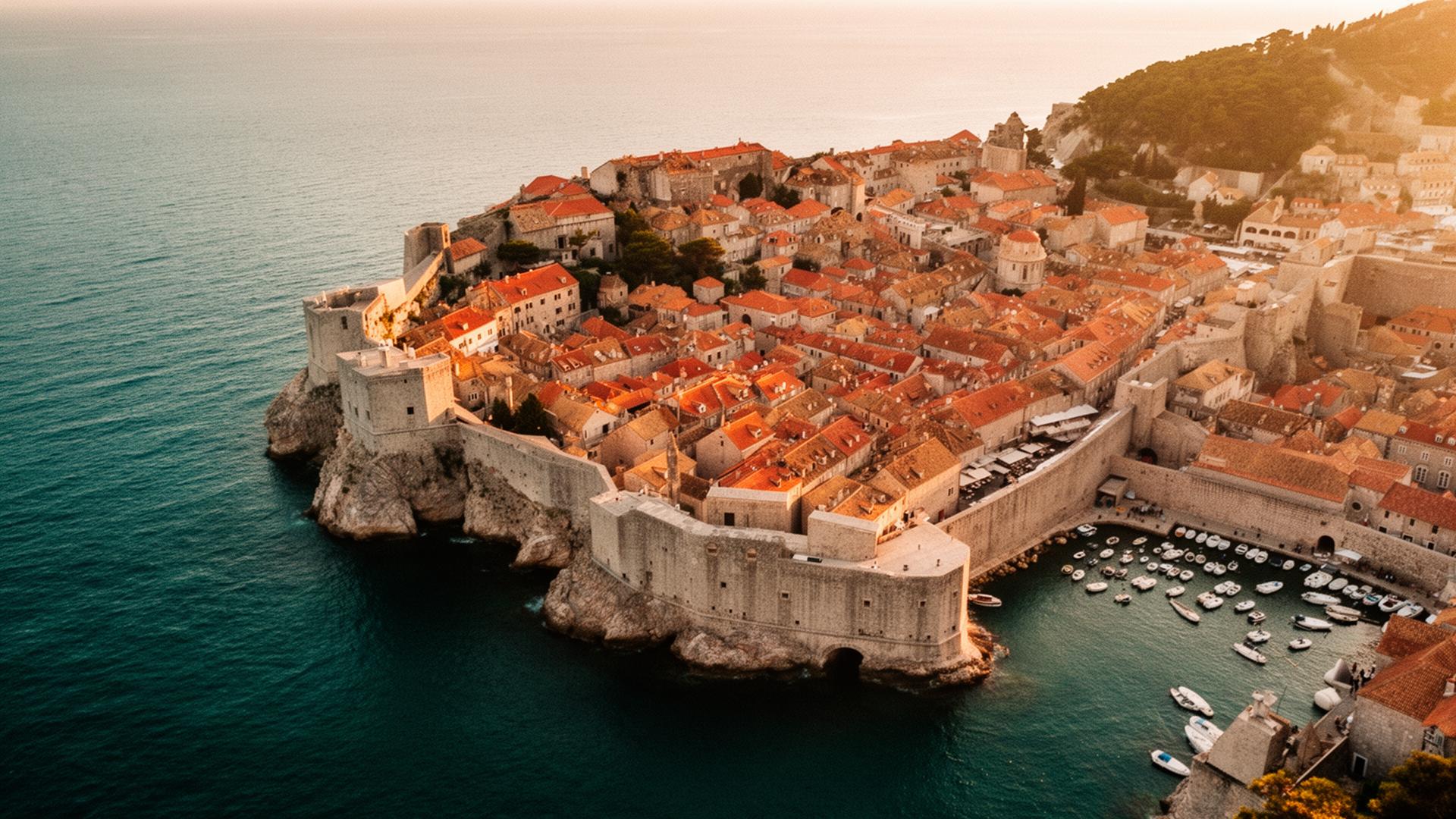
Most visitors see exactly one Hvar: the marina, the main square, the harbourfront bars that turn into clubs after midnight. It is a perfectly real Hvar, it is just one square kilometre of an island that runs 68 kilometres east to west and covers 298 square kilometres. The other 297 are lavender fields, abandoned hilltop villages, vineyards planted on dry-stone terraces above the Adriatic, olive groves older than the Republic of Venice, and coves the road never quite reaches.
This guide is for the traveller who has three days on Hvar and does not want to spend all of them in Hvar town. It assumes you can ride a scooter (or are willing to learn in a parking lot for fifteen minutes), can read a paper map well enough to find a village called Velo Grablje, and can resist the urge to swim at the first cove you see, because the third one will always be better.
Step One: Get Off the Catamaran, Get on a Scooter
The fast catamaran from Split takes 55 minutes and drops you in Hvar town's harbour. Within three minutes of stepping off the boat you will be offered a scooter rental, an ATV tour, a private boat to the Pakleni Islands and a sunset cocktail. Politely decline all of them. Walk five minutes to the bus station behind the cathedral and rent a 125cc Honda or Yamaha from Luka Rent, Pelegrini or Navigare, €35, €45 a day, helmet and insurance included, an EU or international licence required, return the bike with the same amount of fuel.
If you are nervous about riding, hire a small car instead (€55, €80 a day from the same shops). The island's interior roads are narrow but rarely steep, and traffic is gentle once you leave the harbour.
Day One: Stari Grad, the Pharos Plain and the Oldest Field in Europe
Ride east on the D116 across the central ridge, twenty minutes of pine forest, then a long descent into the wide green bowl of the Stari Grad plain. This is the Pharos plain, settled by Greek colonists from Paros in 384 BC, divided into rectangular plots called chora, and farmed continuously for 2,400 years on exactly the same lines. UNESCO listed it in 2008 as 'the most complete system of ancient land division preserved in the Mediterranean'. You can drive between the dry-stone walls, stop at the small Hora information centre, and walk into an olive grove that has been an olive grove since Aristotle was alive.
Stari Grad town itself is the original Greek settlement, the name simply means 'old town'. It is everything Hvar town used to be before the yachts arrived: a stone harbour, three small churches, the Tvrdalj summer residence of the 16th-century poet Petar Hektorović (with a covered fishpond designed as a meditation on impermanence), and a clutch of family-run restaurants set back one or two streets from the water.
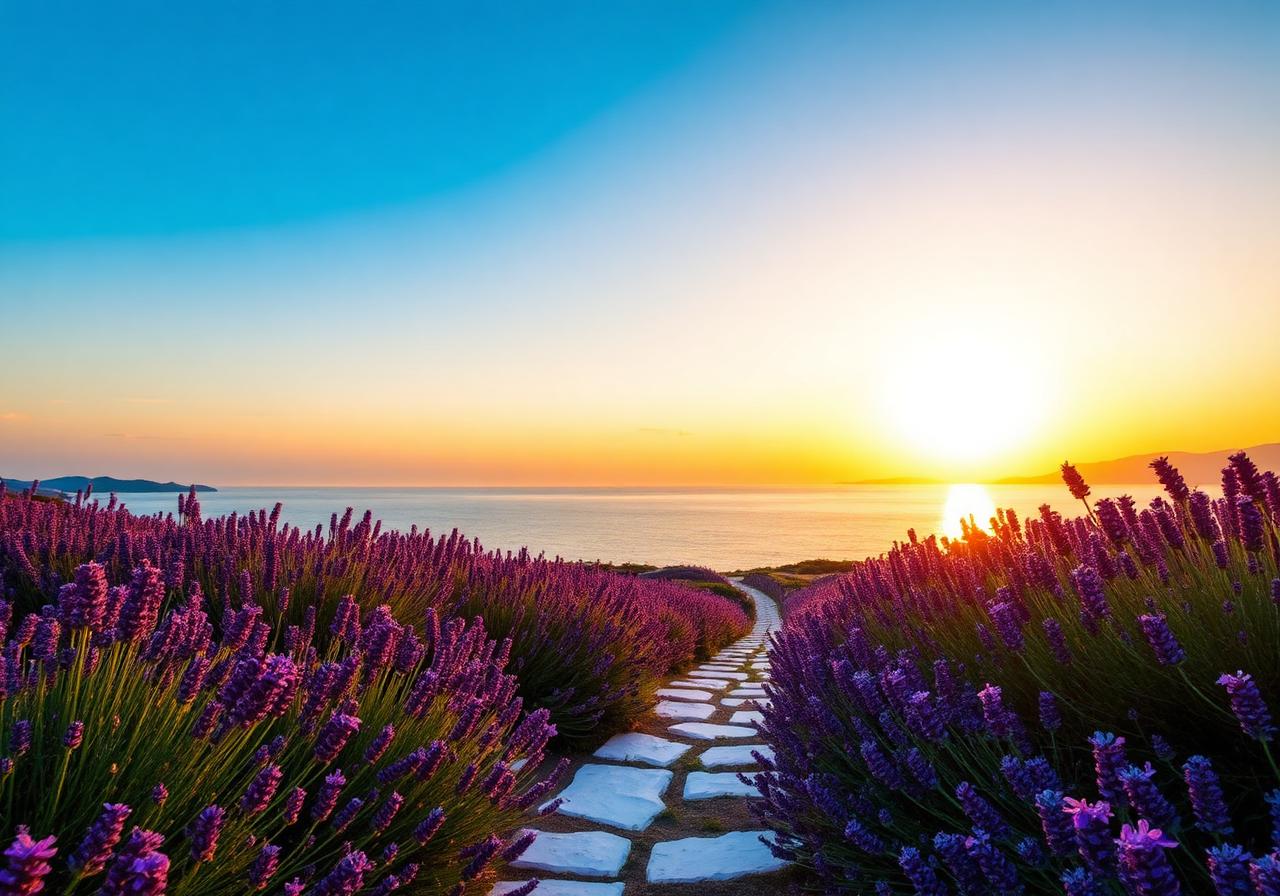
Lunch at Eremitaž, handmade pasta, island lamb, house wine in a clay jug, and a courtyard shaded by a 200-year-old fig. Then ride 4 kilometres north to Velo Grablje, a hillside village that was Hvar's lavender-trading capital until the 1950s, when the trade collapsed and the village half-emptied. Today it is being slowly restored. The lavender festival on the last weekend of June is the best small-town festival on the island, three days of distilling demonstrations, klapa singing and food cooked on open fires.
Cross the central ridge to the south side and you will see the sea differently. Wilder. Bluer. The road becomes a goat path. Do not turn back.
Day Two: The Pitve Tunnel, Plavac Mali Country and Sveta Nedjelja
From Jelsa or Stari Grad, head south through the Pitve tunnel, a 1.4 km single-lane stone passage with automatic traffic lights, originally bored by hand in the 1960s to give the south-coast villages a road. It is slightly terrifying the first time. It is also the gateway to the wildest part of the island.
You will emerge above Sveta Nedjelja, a single-street village under a 626-metre cliff. This is plavac mali country, the indigenous Croatian grape that gave Zinfandel its DNA, and the vineyards are planted on south-facing terraces so steep they are still harvested with mules. Stop at Zlatan Otok winery for a tasting (book a day ahead, €25 for five wines and a board of cheese and pršut). The cellar tunnels into the mountainside and emerges at sea level, where the winery's own restaurant sits on a wooden deck above the Adriatic.
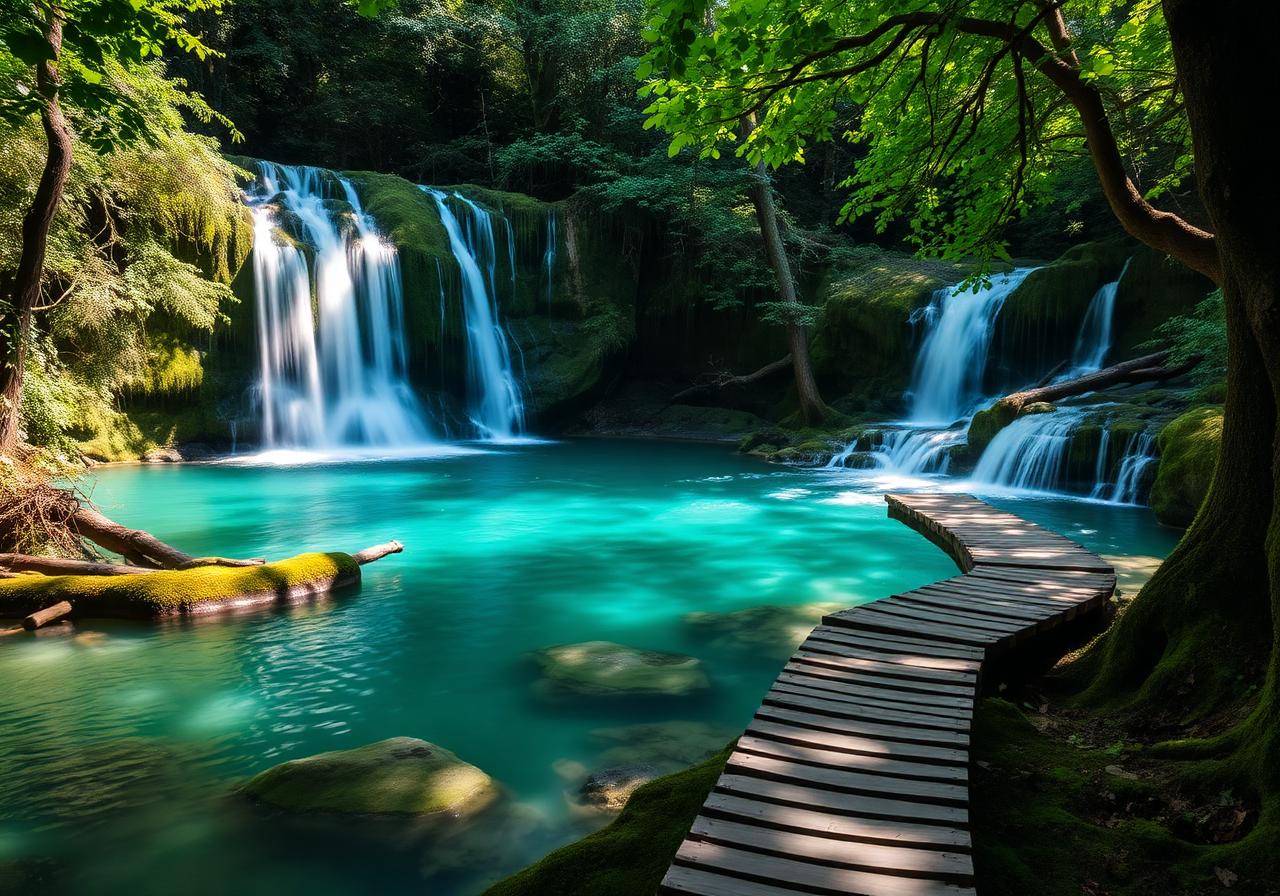
Swim from the rocky beach below the village. The water here is deep, glass-clear, and rarely shared with more than ten other people even in August.
Day Three: Coves Without Names
Spend the last day driving east on the coastal road from Jelsa toward Sućuraj, 50 kilometres of empty switchbacks along the island's narrow eastern half. Anywhere you see a parked scooter and a footpath disappearing seaward, stop. The best Hvar coves are not on Google Maps. They are five-minute scrambles down through pine and rosemary to a fingernail of pebbles and a single fig tree.
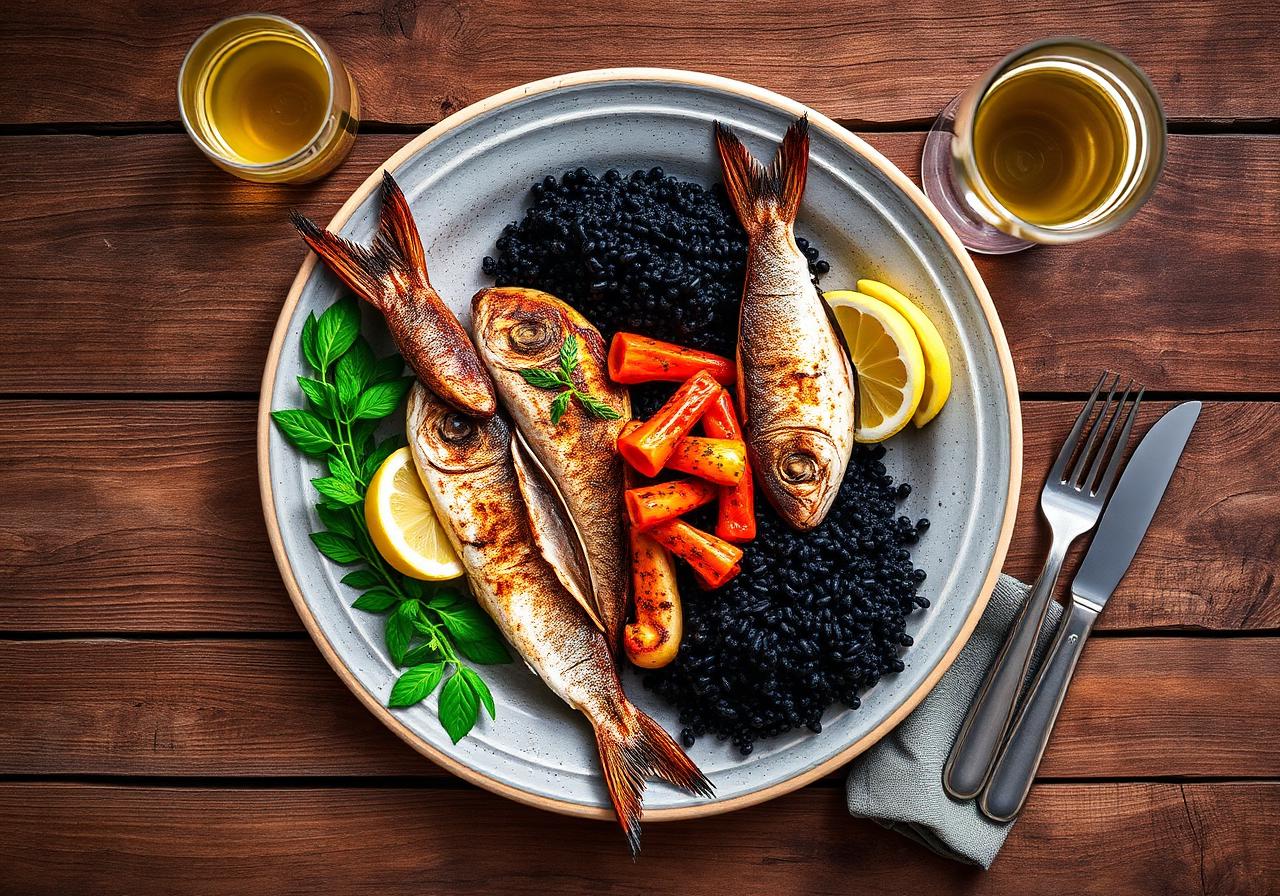
Worth searching for: Skozanje (signposted, but a 15-minute walk down), Lučišća (unsignposted, look for the metal gate at km 23), and the unnamed cove below the village of Zastražišće where a man named Ante sells grilled fish and cold beer from a stone shack between 12:00 and 16:00, if he feels like it.
Bring a snorkel mask. The water here is so clear that photographs of it look fake, fish, sea urchins, the occasional octopus, and seagrass meadows visible at six metres.
Practical Notes
Best months: May and June for lavender in bloom, September for warm sea and grape harvest, October for empty beaches and olive picking. Avoid the last week of July and first week of August, both ferries and roads are at capacity.
Where to stay: in Hvar town for nightlife, in Stari Grad for atmosphere and good restaurants, in Jelsa for a working-town feel and easy access to both coasts, or in a stone house in any of the inland villages (Vrisnik, Pitve, Vrbanj) for a properly quiet base. Book six months ahead for July and August.
Getting there: Jadrolinija and Krilo run multiple daily fast catamarans from Split (55 minutes) and a slower car ferry from Split to Stari Grad (2 hours). From Dubrovnik, the Krilo coastal line connects Hvar with Korčula and Mljet in summer.