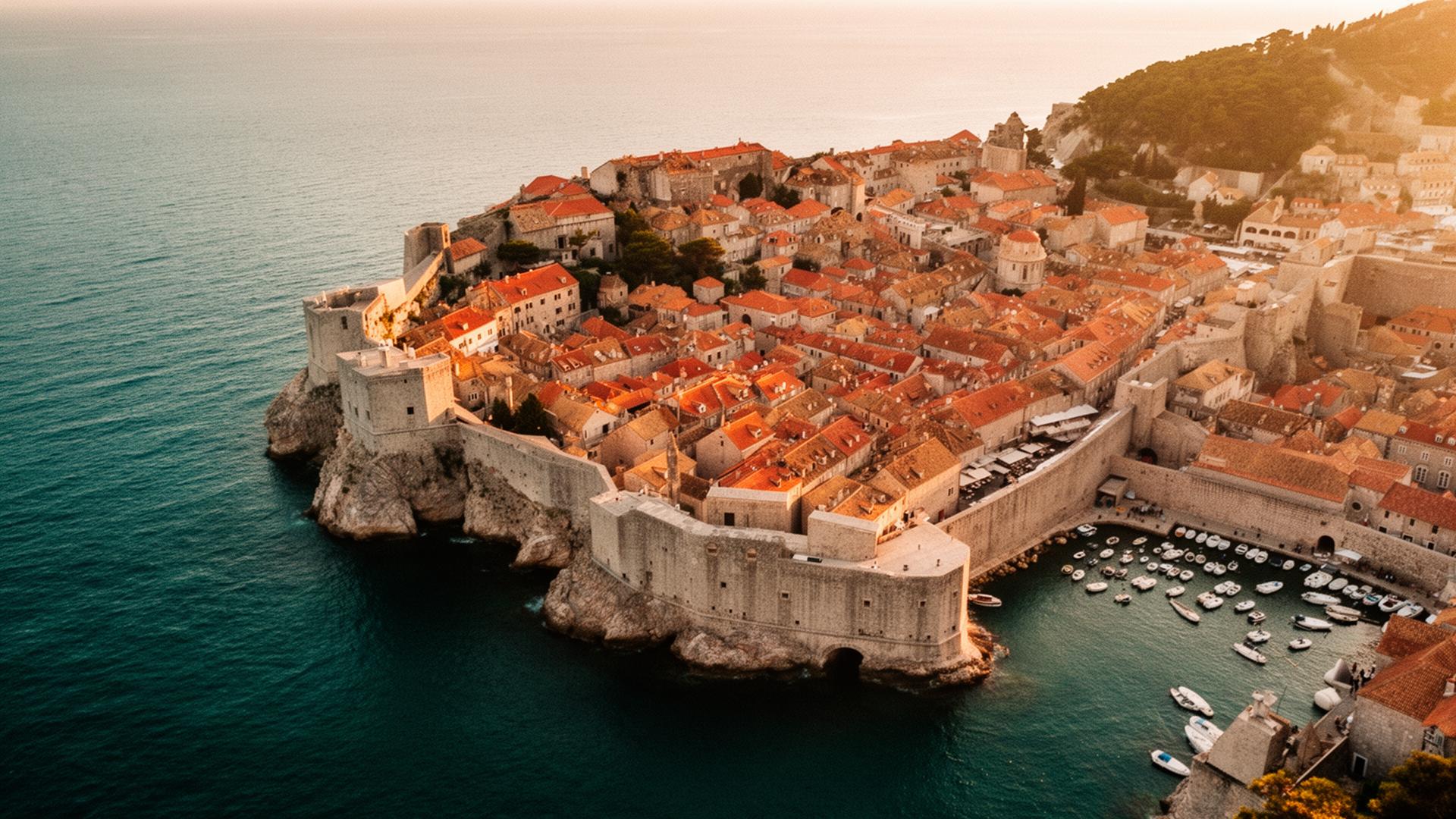
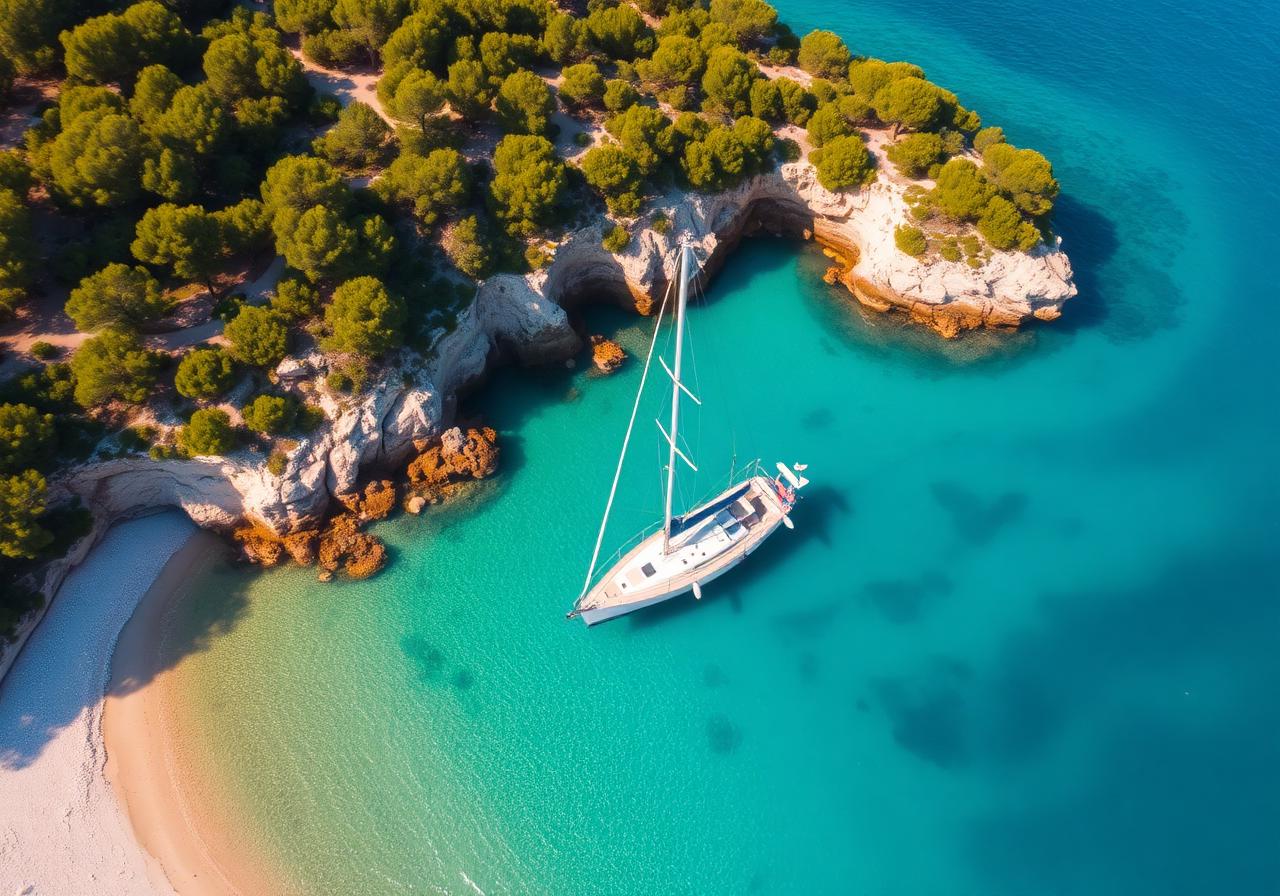
Ah, the allure of Hvar! That glittering island gem, beckoning travelers with its sun-drenched squares, ancient stone streets, and turquoise waters. Getting there from Split is undoubtedly the most popular ferry route in all of Croatia, and while the journey itself is straightforward, navigating the online booking portals can sometimes feel like an ancient mariner's puzzle. Fear not, dear traveler, because we at Convoo are here to untangle the ropes and charts for your perfect 2026 voyage. This guide cuts through the noise, providing you with everything you actually need to know to get from Split harbor to Hvar town (yes, the iconic one everyone pictures, complete with its majestic fortress and vibrant Riva) with ease and confidence.
Split to Hvar: Your Gateway to Island Life
The journey from the bustling port of Split to the chic shores of Hvar is more than just a transfer; it's a transition into a different rhythm of life. Forget the mainland's hustle and embrace the gentle sway of the Adriatic. Whether you're chasing the sun, seeking historical charm, or ready for Hvar's legendary nightlife, getting there is the first step. For 2026, the options remain largely consistent, focusing on speed and convenience for foot passengers, or practical logistics for those bringing a vehicle.
Choosing Your Vessel: Catamaran vs. Car Ferry
When planning your Split to Hvar crossing, you'll primarily be choosing between two types of vessels: the fast, passenger-only catamarans, and the larger car ferries. Each has its distinct advantages, and your ideal choice largely depends on whether you're traveling with a car and your final destination on Hvar.
The Speedy Catamaran Experience (Passenger Only)
For the vast majority of travelers heading to Hvar Town, the catamaran is the undisputed champion. These sleek, modern vessels zip across the Adriatic, delivering you directly to the heart of Hvar's main town. It's the quickest, most scenic, and often the most comfortable option if you're traveling light and prioritizing speed.
- Jadrolinija catamaran 9602 (passenger only). This is often considered the 'default' for many, known for its direct route and efficiency. The journey takes approximately 1 hour direct to Hvar town. Expect ticket prices around €8.50 one way.
- Krilo / Kapetan Luka catamarans (passenger only). These operators offer a fantastic alternative with slightly newer boats and often more frequent sailings, especially during the peak summer months. The trip takes a mere 1 hour 5 minutes to Hvar town, with tickets typically costing around €10. Anecdotally, many locals and frequent travelers suggest Krilo's vessels handle choppier seas a little better, offering a slightly more reliable service in strong winds due to their design.
Both Jadrolinija and Krilo catamarans will dock directly at the Riva in Hvar Town, placing you literally steps away from cafes, restaurants, and the main squares. It's the ultimate arrival convenience.
The Car Ferry Option: To Stari Grad and Beyond
If your Croatian adventure involves a vehicle – perhaps you're on a grand road trip or planning to explore diverse parts of Hvar island at your own pace – then the car ferry is your only choice. However, it's crucial to understand that these ferries do not go to Hvar Town. Instead, they sail to Stari Grad, a charming and historically significant town on the northern side of the island.
- Jadrolinija car ferry to Stari Grad. This larger vessel is designed to transport vehicles and passengers. The sea crossing takes approximately 2 hours. Once you disembark in Stari Grad, you'll have a picturesque 20-minute drive across the island to reach Hvar town. Ticket prices are around €7 for a foot passenger and approximately €50 with a car (this can vary based on vehicle size and season).
While the car ferry journey is longer and requires additional travel on the island, it offers a different kind of experience. You can enjoy the sea views from the open decks, grab a coffee in the onboard cafe, and if you're not in a rush, it's a pleasant way to travel. Plus, the drive from Stari Grad to Hvar Town offers stunning panoramic views of vineyards and olive groves, a true taste of inland Hvar.
Making the Right Choice: Our Recommendation
Let's simplify. Your decision hinges almost entirely on whether you're bringing a vehicle and where you intend to base yourself on Hvar island. We’ve sailed these routes countless times, and our advice is consistent:
No car? Going to Hvar town directly? Catamaran, every single time. It's faster, more efficient, and drops you precisely where you want to be. There’s no need to faff with taxis or buses once on the island. Plus, Hvar Town's ancient core is car-free anyway, making a car in town more of a hindrance than a help.
Bringing a rental car, or your own vehicle? The car ferry to Stari Grad is your non-negotiable option. That 20-minute drive across the island is part of the adventure. If you're planning on island-hopping extensively by boat from Hvar, or perhaps only staying a day or two in the town itself, you might consider leaving your car in Split's secure long-stay car park (Sukoišan is a good, central option, typically €8 a day) and simply taking the catamaran. You can always rent a scooter or car on Hvar if you want to explore the island's further reaches like the charming villages of Vrboska or Jelsa, or the secluded beaches on its south shore.
Securing Your Spot: Where and When to Buy Tickets
Booking your ferry tickets in advance, especially during the high season, is key to a smooth journey. Croatian ferries, while generally efficient, operate on a 'first come, first served' basis for popular routes. Understanding the booking landscape for each operator will save you headaches.
Online Bookings: The Most Convenient Way
- Jadrolinija: The official national ferry carrier. You can book directly on their website: jadrolinija.hr. The user interface has improved over the years but can still be a bit clunky for international users. Keep your passport handy for passenger details.
- Krilo / Kapetan Luka: Known for their modern vessels and, often, a slightly more user-friendly booking experience. Their website is krilo.hr (or kapetanluka.hr, they operate under both). We find their English booking flow to be one of the cleanest and most straightforward of the three. It’s usually our go-to recommendation for ease of use.
Always print your tickets or load them onto your phone before arriving at the port. Mobile data can be patchy, and you don’t want to be scrambling for a signal when you need to board.
In-Person Purchases: For the Spontaneous Traveler
For those who prefer a more traditional approach or find themselves with last-minute plans, tickets can also be purchased directly at the port.
- Jadrolinija: Look for their kiosks and offices at Gat Sv. Petra (Pier of St Peter) in Split harbour. They are well-marked and usually have several windows open, especially during peak times.
- Krilo / Kapetan Luka: Their ticket offices are also located within the main ferry terminal area in Split, usually near where their catamarans dock. Keep an eye out for their distinctive logos.
Be prepared for queues during summer months. Arriving well in advance of your desired sailing is advisable if buying in person.
When to Book: Seasonal Strategies
The timing of your booking can make a significant difference in availability and stress levels.
- In the absolute peak months of July and August, demand is sky-high. Catamarans, especially, fill up quickly. We strongly advise booking 5–7 days ahead, or even earlier if your travel dates are fixed and you're aiming for a specific morning departure. Leaving it to the last minute in these months is a gamble you might lose.
- For the shoulder seasons of June and September, the crowds are thinner but still substantial. Booking the morning of your travel is usually fine, but if you have a preferred time, booking a day or two in advance will secure your spot and peace of mind.
- During the quieter months of April, May, and October, walk-up tickets at the pier 30 minutes before sailing are almost always available. These months offer a more relaxed travel experience, with fewer crowds and generally more flexibility.
Remember, car ferry tickets to Stari Grad, particularly for vehicles, should also be booked in advance during peak season, as space for cars is limited. Foot passenger availability is generally more flexible on these larger vessels.
Weather Watch: When the Adriatic Gets Moody
The Adriatic is usually a calm, serene expanse, but like any sea, it can have its moods. Strong winds, particularly the bura (a fierce, cold northerly wind) or jugo (a warm, moist southerly wind), can affect ferry schedules.
If the wind picks up to 40+ km/h (approximately 25+ mph), catamarans are generally the first to be cancelled due to their lighter build and higher speed. Car ferries, being larger and more stable, tend to cancel less frequently, but it does happen. Always check the Krilo Twitter feed (which is surprisingly timely for cancellations!) or the Jadrolinija notices board at the port on the morning of your sailing. The local staff at the ticket kiosks or information desks will often know about potential cancellations an hour or more before the information is updated online – a true local tip that has saved many a traveler!
We’ve seen travelers caught out by unexpected cancellations, so an early morning check is always wise, especially if the forecast looks blustery. Flexibility is your friend in such situations. You might need to wait for the next available ferry, or if cancellations are widespread, revise your plans for the day. Having travel insurance that covers such disruptions is always recommended.
Navigating Split Harbor: Your Departure Point
Split harbor is a vibrant, bustling hub, right in the heart of the city, nestled beside the ancient walls of Diocletian's Palace. It's well-connected and relatively easy to navigate, but knowing your exact arrival strategy will save you time and stress.
From Split Airport (SPU) to the Harbor
Split Airport (Resnik - SPU) is located about 25 kilometers (15 miles) west of the city center. Getting from the airport to the ferry terminal is straightforward:
- Airport Shuttle Bus: This is the most economical and convenient option for solo travelers or small groups without excessive luggage. The shuttle bus costs approximately €8, takes about 30 minutes, and runs frequently – typically every 30 minutes, timed to meet arriving flights. It drops you off directly at the main bus station, which is adjacent to the ferry port. Look for the 'Pleso Prijevoz' buses outside the airport terminal.
- Taxi/Uber: For a quicker, more direct journey, especially if you have a lot of luggage or are traveling in a group. A taxi will cost around €30–€40 and take about 20-25 minutes, depending on traffic. Uber is also readily available and often slightly cheaper than traditional taxis.
- Private Transfer: Many companies offer pre-booked private transfers, which can be a good option for peace of mind, especially after a long flight. Prices are slightly higher than a taxi but offer personalized service.
From Split City Center/Train Station to the Harbor
If you're already in Split city center or arriving by train, you're in luck – the ferry port is incredibly central. From the Split train station, the ferry terminal is literally a 3-minute walk straight ahead, across the main promenade. The bus station is also directly adjacent. From Diocletian's Palace, it's a leisurely 5-10 minute stroll, depending on which gate you exit. You can't miss it!
Allow ample time to get to the correct pier. While the main port area is concentrated, different operators and routes depart from various points, and finding your specific catamaran or car ferry can take a few minutes, especially when it's crowded.
First Impressions: Arriving in Hvar Town
The arrival in Hvar Town by catamaran is truly one of the most picturesque in Croatia. As your boat glides into the harbor, you'll be greeted by the sight of the Spanish Fortress towering above, the bustling Riva promenade dotted with palm trees, and the gleaming yachts bobbing in the crystal-clear water. It's an instant 'wow' moment.
The catamaran docks directly at the Riva, the main seafront promenade. You’ll step off the boat and immediately find yourself immersed in the heart of Hvar’s vibrant energy. Hvar's beautiful old town, with its charming stone-paved squares, historic buildings, and atmospheric alleys, is just a 2-minute walk inland from the Riva.
For most travelers, especially those staying in one of the many hotels or guesthouses around Hvar Town, the next steps are easy. Many hotels along the Riva or just beyond will have staff waiting to help with luggage, or you can often arrange for them to pick up your bags. For those staying in more budget-friendly rooms or apartments nestled within the old town's winding passages, be prepared to carry your own bags up the kamenita ulica (stone-stepped streets). It's part of the Hvar experience, albeit a potentially sweaty one in summer!
Take a moment to soak it all in. Grab a refreshing drink at one of the many cafes lining the Riva, watch the world go by, and let the island vibe wash over you. Your Hvar adventure has officially begun.
Beyond Hvar Town: Day Trips & Further Exploration
While Hvar Town is undeniably captivating, the true magic of Hvar island, and indeed its surrounding archipelago, reveals itself when you venture a little further afield. The island is ripe for exploration, and its position makes it a perfect jumping-off point for other adventures.
The Enchanting Pakleni Islands
Just offshore from Hvar Town lies the stunning archipelago of the Pakleni Islands (Pakleni Otoci). This chain of wooded islets and turquoise coves is an absolute must-visit. You can hire a small boat (often without a license, easy to sail!), join an organized boat tour, or take a taxi boat to popular spots like Palmižana (known for its botanical garden and restaurants) or Stipanska (home to the legendary Carpe Diem Beach Club). These islands offer incredible swimming, snorkeling, and sunbathing opportunities away from the main town’s bustle. Don't miss our detailed guide on a day in the Pakleni Islands on a small boat for all the tips and tricks for exploring these beauties independently or as part of a tour.
Exploring Hvar Island's Interior and Other Villages
Hvar island itself is much more than just its famous town. Renting a scooter, quad bike, or car for a day allows you to discover hidden coves, charming inland villages, and breathtaking viewpoints. Drive east to explore historical Stari Grad with its UNESCO-protected plain, stop in Jelsa or Vrboska (often called 'Little Venice') for a quieter, more traditional island experience. For wine lovers, a visit to the wineries near Jelsa, such as Tomić or Duboković, is a delightful way to taste the island's celebrated local varietals. Our comprehensive Hvar guide that goes beyond the marina offers fantastic ideas for deeper exploration.
Island Hopping from Hvar
Hvar's central location in the Adriatic makes it an ideal base for further island adventures. During the summer, there are often catamaran connections to other islands like Korčula, Brač, and even Dubrovnik, allowing you to seamlessly continue your Croatian journey. Consider a multi-island itinerary to fully experience the beauty and diversity of the Dalmatian coast. Check out our guide to the best islands in Croatia for first-time visitors to help plan your island-hopping dreams.
Whether you seek secluded beaches, ancient history, vibrant nightlife, or authentic village life, Hvar and its surroundings offer an unparalleled array of experiences. Just be sure to budget enough time – you likely won't want to leave!
Budgeting Your Trip: A Cost Breakdown
While Hvar can carry a reputation for being a glamorous, high-end destination, a trip from Split to Hvar can be tailored to various budgets. Here’s a quick overview of potential costs:
- Catamaran Ticket (one way): €8.50 - €10 (foot passenger)
- Car Ferry Ticket (one way, car & driver): ~€50 (car dependent) + €7 per additional foot passenger.
- Airport Shuttle Bus to Split Port: €8
- Taxi/Uber from Split Airport to Port: €30 - €40
- Long-stay parking in Split (Sukoišan): €8 per day
- Accommodation in Hvar Town: Widely varies, from €40 for a budget room to €500+ for luxury hotels per night.
- Eating out in Hvar Town: Expect €15-€25 for a casual meal, €40+ for a nicer dinner (per person). Groceries are cheaper if you have cooking facilities. Check out our tips for cheap eats in Croatia.
- Scooter Rental on Hvar (24h): €30 - €50
- Taxi boat to Pakleni Islands (return): €10 - €20, depending on destination.
By planning ahead, particularly for accommodation and activities, you can enjoy Hvar without breaking the bank. Traveling in the shoulder seasons (May, June, September, October) can also significantly reduce costs while still offering beautiful weather.
Practical Tips for a Seamless Journey
- Arrive Early: Especially in summer, aim to be at the ferry terminal at least 30-45 minutes before departure, even with a pre-booked ticket. This gives you time to locate your pier, find your specific boat, and get a good seat.
- Pack Smart: If taking a catamaran, you’ll likely need to load your own luggage onto designated racks. Pack efficiently and consider how easily you can manage your bags. Wheels are a lifesaver on the Riva!
- Stay Hydrated: Croatian summers are hot. Bring water or buy some at the port. Many catamarans also have small onboard cafes.
- Capture the Views: Have your camera ready! The views departing Split and arriving in Hvar are spectacular. Often, the best shots are from the rear deck of the catamaran.
- Check Return Journeys: Don’t forget to check and potentially book your return ticket from Hvar to Split (or onwards to another island) especially if traveling during peak season. You don’t want to be stranded!
Frequently Asked Questions About the Split to Hvar Ferry
Optimizing Your Hvar Arrival: Beyond the Ferry Terminal
So you’ve landed in Hvar Town, perhaps a bit disoriented amidst the beautiful chaos. The ferry or catamaran drops you right in the heart of the action, close to the main square (Pjaca) and the waterfront promenade (Riva). But what happens next? Knowing your options for getting around Hvar Town and beyond can save you time and hassle, especially if you have luggage or specific plans.
Getting Around Hvar Town and Immediate Area
Hvar Town is mostly pedestrian-friendly. Most of the main sights – St. Stephen's Square, the Arsenal, the fortress (Fortica) – are walkable from the ferry port. If your accommodation is within the old town or near the waterfront, you'll likely just walk. However, some hotels and guesthouses are up on the hills or a bit further out.
- Taxis: You'll see official taxis waiting near the ferry terminal. They operate on a meter, but it’s always wise to confirm the price before you start, especially for longer distances or late at night. A short ride within Hvar Town, for example, to a hotel slightly up the hill, might cost €10-15.
- Water Taxis (Barka): For reaching nearby beaches like Pokonji Dol or Mekićevica, or for trips to the Pakleni Islands, water taxis are a fantastic option. They depart frequently from the Riva. Prices vary by destination, but expect around €5-10 per person for a return trip to a close beach, and more for the Pakleni Islands (often €20-30 for a return trip to popular spots like Palmižana).
- Scooter/Quad Rentals: A popular way for adventurous travelers to explore the island's hidden coves and villages. You'll find several rental shops along the Riva or just a short walk inland. Prices for a scooter start from around €30-40 per day in low season, rising to €50-60+ in peak season. Quads are more expensive, starting at €60-80 per day. Make sure you have the correct driving license and always wear a helmet.
- Car Rentals: If you plan to explore the entire island extensively, especially places like Stari Grad, Jelsa, Vrboska, or distant beaches, renting a small car might be worth it. Rental agencies are available in Hvar Town. Expect prices from €50-80 per day in shoulder season, easily reaching €100-150+ in July/August. Parking can be tricky and expensive in Hvar Town itself.
Accessibility Considerations
Hvar, like many historic Mediterranean towns, has its challenges for accessibility. The old town has narrow, cobbled streets and many stairs. If you have mobility issues, consider this when choosing accommodation. The main promenade (Riva) is flat and accessible, as are the main squares in larger towns. Catamarans are generally easier for boarding than car ferries, which might involve steeper ramps. Always check with your accommodation beforehand about their specific accessibility features and proximity to flat areas.
Unlocking Hvar's Treasures: Beyond Hvar Town
While Hvar Town is undoubtedly the island's vibrant hub, a trip to Hvar is incomplete without venturing further. The island offers a tapestry of ancient towns, serene beaches, lavender fields, and olive groves. Don't make the mistake of staying only in Hvar Town.
Must-Visit Towns and Villages
- Stari Grad: One of Europe's oldest towns, dating back to 384 BC. Its ancient plain is a UNESCO World Heritage site. It's quieter than Hvar Town and offers a charming, authentic Croatian experience. Explore its stone streets, visit the Tvrdalj Castle (Petar Hektorović's fortified summer house), and enjoy a meal at a traditional konoba. A bus ride from Hvar Town takes about 25 minutes and costs around €4-5.
- Jelsa: A picturesque town with a beautiful harbour, known for its pleasant climate and welcoming atmosphere. It's a great base for exploring the eastern part of the island. You can reach Jelsa by bus from Hvar Town (€5-6) or by ferry/catamaran from Split (some lines go directly to Jelsa).
- Vrboska: Often called 'Little Venice' due to its narrow canal and small bridges. It's a charming fishing village with a more laid-back vibe. Perfect for a quiet afternoon stroll and enjoying fresh seafood. Connected by local bus.
- Milna and Zaraće: Small coastal villages near Hvar Town, famous for their beautiful pebble beaches and crystal-clear waters. You can reach them by water taxi, local bus, scooter, or even a pleasant walk/cycle if you're feeling energetic. These are fantastic spots for swimming and sunbathing away from the main crowds.
Exploring the Island's Natural Beauty
- Pakleni Islands (Paklinski Otoci): A stunning archipelago just off Hvar Town, a must-do day trip. These islands are famous for their secluded coves, turquoise waters, and vibrant beach bars. Popular spots include Palmižana (with its sandy beach and bohemian vibe) and Jerolim (a FKK/nudist beach). Water taxis run frequently from Hvar Town's Riva. Expect to pay €20-30 for a return trip, depending on the island. Many companies offer organized boat tours as well, sometimes including lunch or drinks.
- Lavender Fields: If you visit in late June or early July, the island's interior transforms into a purple wonderland. The area around Velo Grablje and Brusje is particularly known for its lavender. Renting a scooter or car is the best way to explore these fragrant fields. Learn more about optimal travel times in our guide: Best Time to Visit Croatia.
- Hidden Beaches: Beyond the easily accessible ones, Hvar boasts numerous secluded coves. Some require a bit of effort to reach – perhaps a hike or a boat ride – but the reward is pristine waters and tranquility. Ask locals for recommendations, or rent a small boat (no license needed for small engines) and discover your own slice of paradise. Prices for small boat rentals start from €70-100 per day plus fuel.
“The best way to truly experience Hvar is to get lost a little. Veer off the main path, explore a small village, or find a hidden beach. That's where the island's magic truly lies.”
Seasonal Nuances and Budget-Friendly Hvar
Hvar's allure changes with the seasons, and so does its impact on your wallet. Being prepared for these shifts can greatly enhance your trip quality and help you manage costs effectively.
Navigating the Crowds and Costs
Peak Season (July-August): This is when Hvar truly comes alive, but also when it's most expensive and crowded. Accommodation prices can easily double or triple compared to shoulder season. Ferries and catamarans are often fully booked, restaurants require reservations, and popular beaches are packed. If you must travel during this time, book everything – flights, accommodation, and ferry tickets – months in advance. Expect restaurant meals to be around €20-40 per person for a main course and a drink at a mid-range place. Cocktails can be €12-18 in popular bars.
Shoulder Season (May-June & September-early October): Our personal recommendation for visiting Hvar. The weather is still fantastic, the sea is warm enough for swimming, and the crowds are significantly thinner. Prices for accommodation and rentals are more reasonable. Most restaurants and attractions are open, but without the intense summer rush. May offers blossoming nature, while September provides warm seas and the grape harvest season. You might find better deals on accommodation, with rooms starting from €80-120 per night for a decent guesthouse.
Off-Season (November-April): Hvar becomes a quiet island retreat. Many tourist-oriented businesses close down. While you'll experience a very authentic local life and enjoy incredibly low prices (sometimes €40-60 for an apartment), transport options (especially ferries/catamarans) are reduced, and the weather can be unpredictable. This period is best for those seeking solitude, hiking, or a truly local experience, not for typical beach holidays.
Budgeting Tips for Hvar
- Accommodation: Consider staying in nearby towns like Stari Grad or Jelsa for better value, then taking buses or scooters to Hvar Town for the evening. Or look for apartments with kitchenettes to prepare some of your own meals.
- Food: Eat at local konobas (traditional taverns) slightly away from the main tourist areas. They offer authentic Dalmatian cuisine at better prices. Look for daily specials (dnevna ponuda) or lunch menus. A basic meal can be found for €15-20. For cheaper eats, check out our guide: Cheap Eats in Croatia.
- Transport: Utilize the local bus system for inter-island travel. It’s significantly cheaper than taxis. If you're going to the Pakleni Islands, gather a group for a water taxi to split the cost, or consider a larger excursion boat which might be cheaper per person. Walking and cycling are free and healthy!
- Drinks: Buy drinks from supermarkets instead of always relying on bars. A bottle of local wine is much cheaper than several glasses at a restaurant. Tap water is safe to drink.
- Experiences: Instead of expensive boat tours, consider renting a small dinghy for a day to explore the Pakleni Islands at your own pace. Pack a picnic lunch to save on restaurant costs on the islands. Explore hiking trails to enjoy the island's natural beauty without spending a dime.
Remember, a well-planned trip to Hvar doesn't have to break the bank. By understanding the seasonal flow and making smart choices, you can enjoy this stunning island responsibly and affordably.
Frequently asked questions
- How long is the ferry from Split to Hvar?
- It's super quick by catamaran! Expect 1 hour by Jadrolinija or Krilo catamaran to Hvar town. If you're taking the car ferry to Stari Grad, it's a 2-hour sea journey, plus a 20-minute drive to Hvar town.
- Do I need to book the Split–Hvar ferry in advance?
- Absolutely, yes, if you're traveling in July and August. We recommend booking 5-7 days ahead. Outside of peak season (June and September are still busy), booking the morning of your trip is often fine. In the quieter months (April, May, October), you can usually just walk up to the pier 30 minutes before sailing.
- How much is the Split to Hvar ferry?
- For a foot passenger, expect to pay around €8.50–€10 for a catamaran to Hvar Town. If you're bringing a car (to Stari Grad only), it's approximately €50 for a small car and driver, plus about €7 per additional passenger.
- Can I take a car ferry to Hvar Town?
- No, you cannot. Car ferries from Split only go to Stari Grad, which is on the north side of Hvar island. From Stari Grad, it's about a 20-minute drive to Hvar Town. Hvar Town's old center is pedestrian-only.
- What happens if my ferry is cancelled due to bad weather?
- Ferry cancellations, especially for catamarans, can occur due to strong winds. Always check the operator's website or social media (Krilo's Twitter is good!) or local port notice boards on the morning of travel. If cancelled, operators will usually try to re-route passengers to the next available ferry or offer refunds. Keep an eye on local forecasts and stay flexible with your plans, particularly in spring and autumn. If you're concerned about travel insurance, look at policies that cover ferry cancellations.
- Which ferry company is best for Split to Hvar?
- Both Jadrolinija and Krilo / Kapetan Luka are reliable. Jadrolinija is the national carrier, while Krilo often has newer boats and a reputation for being slightly more stable in moderate winds, along with a user-friendly online booking system. For most travelers, either company for a catamaran journey will provide an excellent experience.
The journey from Split to Hvar is more than just a ferry ride; it's the opening act to an unforgettable Croatian island adventure. With this complete guide, you're now equipped with all the insider knowledge to navigate the waters, secure your passage, and arrive refreshed and ready to explore the sunniest island in the Adriatic. Sretan put! (Happy travels!)