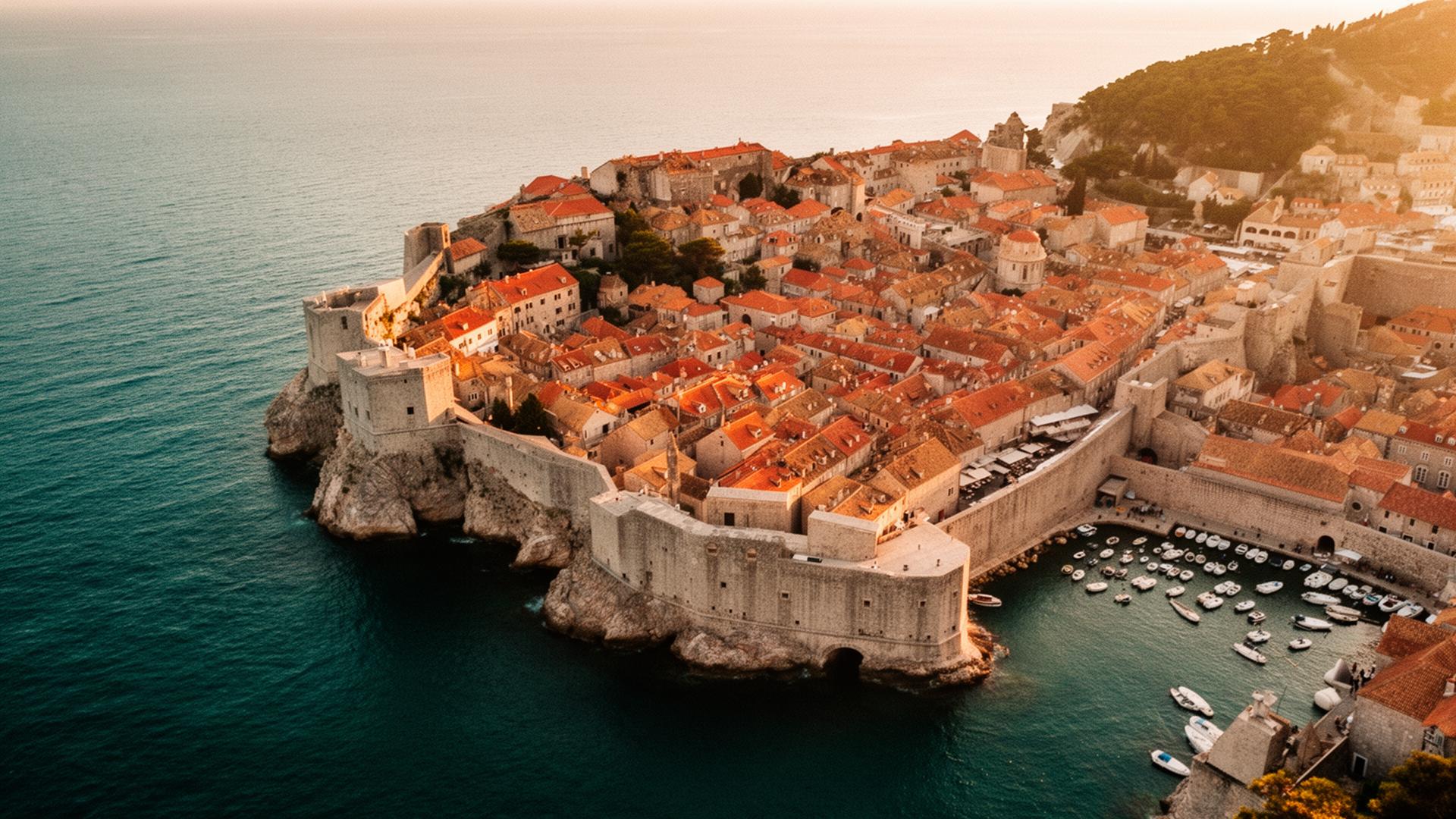
Croatia, nestled along the Adriatic, offers a unique blend of sun-drenched coasts, ancient history, and vibrant culture. As proud locals, we often see visitors, well-intentioned but sometimes underprepared, navigating our beautiful country. This isn't just any packing list; it's the Croatia packing list informed by years of welcoming friends and family, and the little things we wish everyone knew before they arrived. Think of it as insider knowledge for a truly seamless Croatian adventure.
First things first: Croatia is Mediterranean, part of the EU, uses the euro, and you'll find English widely spoken in any tourist context. So, if you've packed for Italy or Spain before, you're already halfway there. However, there are some quirks, some charming local specifics, that can make or break your trip. These are the items that are genuinely Croatia-specific, and trust us, you'll be glad you brought them.
The Absolute Essentials: What Locals Wish You'd Bring
Footwear: Your Croatian Beach & Cobblestone Companion
- Water shoes / reef shoes. Let's be blunt: Croatian beaches are almost all pebble, not sand. While beautiful, this can be uncomfortable for bare feet. More importantly, sea urchins (ježinci) love to make their homes on rocks and in shallow waters. A pair of €20 water shoes will truly save your trip – and your soles. Don't risk stepping on one; the pain is memorable, and the removal process is no fun.
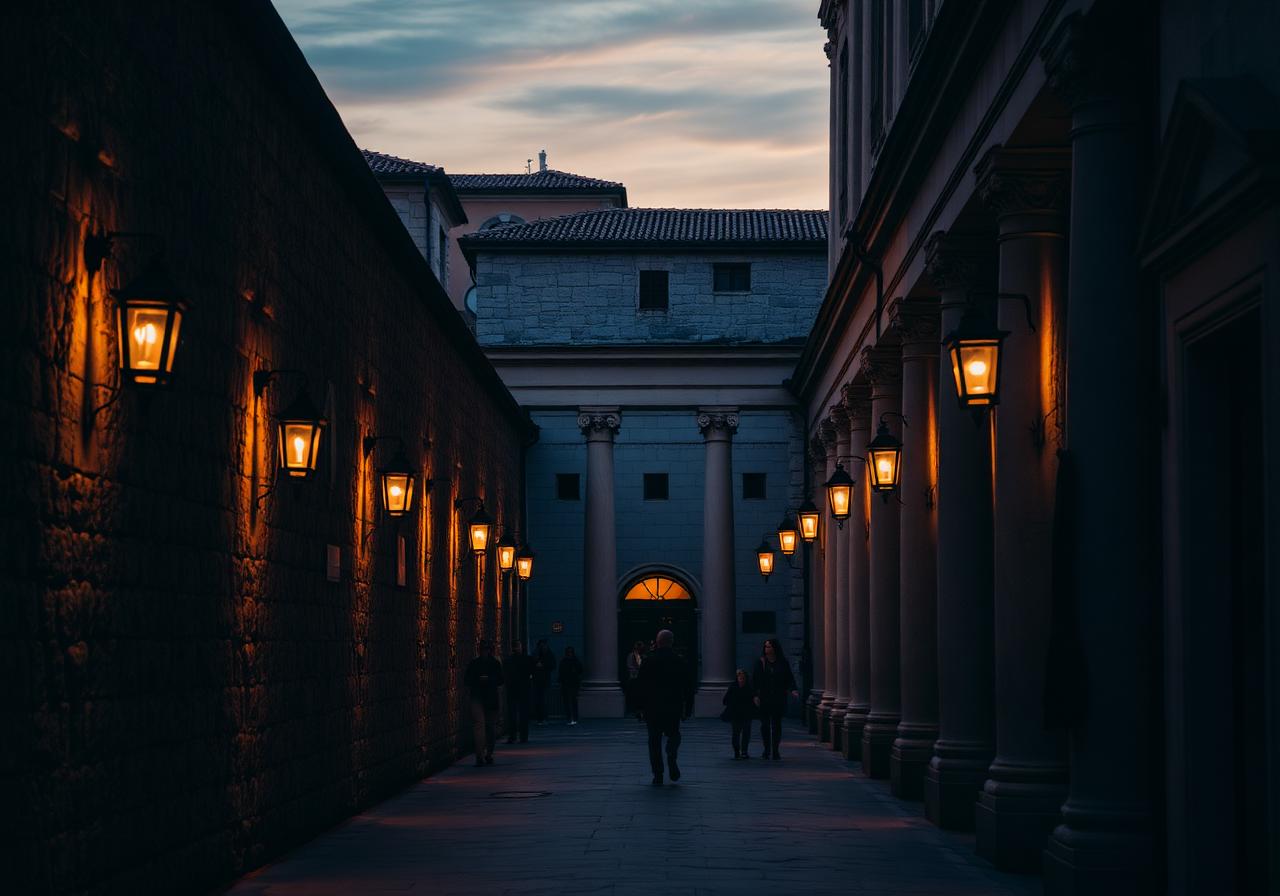
- Rubber-soled walking sandals. Forget the cute leather slides for daytime meandering. Dubrovnik, Split, Hvar, Trogir, and many other charming towns are paved in polished limestone. This ancient stone, mirror-smooth from centuries of foot traffic, becomes lethal in flip-flops or non-grip soles, especially after rain. Pack one pair of reliable, rubber-soled walking sandals (think Tevas, Keens, or similar brands) for comfortable and safe navigation. Save those fashionable shoes for evening dinners or poolside lounging. Your ankles will thank you.
Every August, the Dubrovnik pharmacy on Stradun sells out of plasters and arnica gel. Both for the same reason: polished limestone and slippery leather soles. Don't be that tourist!
Tech & Comfort: Keeping Connected and Protected
- Quick-dry travel towel. Most hotels charge a premium for beach towels, and an apartment rental rarely provides one. A compact, quick-drying travel towel is invaluable for beach days, boat trips, or even just drying off after a swim in a secluded cove. They take up minimal space and dry remarkably fast under the Adriatic sun.
- EU Type F plug adapter. This is crucial for keeping all your devices charged. Croatia uses the EU Type F plug (Schuko), which is the same as Germany or France. It's a two-pin round plug. If you're coming from the UK, US, or other regions, an adapter is non-negotiable.
- Power bank. You'll spend your days exploring ancient sites, lounging on beaches, or island-hopping on boats. Outlets in old towns are scarce, and you'll want your phone charged for photos, navigation, and ordering a Bolt taxi. A reliable power bank ensures you're never caught with a dead battery.
- Reusable water bottle. Croatian tap water is excellent and perfectly safe to drink everywhere, including in Dubrovnik, Split, and on the islands. Fill up your reusable bottle before you head out and save money while also reducing plastic waste. We're proud of our clean water, and we appreciate visitors helping keep our seas pristine. Learn more about sustainable travel in Croatia.
Sun Protection: The Adriatic Sun Is No Joke
- Real sunscreen, SPF 50. The Adriatic sun is incredibly strong. It reflects intensely off both the bright limestone landscapes and the sparkling water, meaning you will burn faster than you think, even on an overcast day. Don't skimp on sunscreen; bring a high SPF (50+) and apply it generously and frequently. Consider reef-safe options to protect our clear waters. Sunburns are a common complaint we hear from visitors, and they can really put a damper on your holiday.
- Wide-brimmed hat & sunglasses. Complement your sunscreen with a good quality wide-brimmed hat and UV-protective sunglasses. Prolonged exposure to the sun can lead to headaches and heatstroke, so keeping your face and eyes protected is key. Many cafes and restaurants offer shaded seating, but when you're out exploring, these items are invaluable.
Layer Up: Evenings Can Be Cooler
- Light layer for evenings. While days can be scorching hot, even August nights can see temperatures drop to a comfortable 20°C (68°F). If you're on a ferry deck, dining by the sea, or simply strolling through a breezy old town, you'll be glad to have a light scarf, cardigan, or a long-sleeved shirt. This is especially true in the shoulder seasons (spring and autumn) when evenings are decidedly cooler. Locals often carry a light jacket even in summer.
Croatian Style: What to Wear and When
Daytime Explorer Chic
For daytime activities, think comfortable, breathable fabrics. Linen, cotton, and light blends are your best friends. Shorts, sundresses, casual skirts, and t-shirts are perfectly acceptable for exploring towns, visiting markets, or enjoying a leisurely lunch. Embrace a relaxed, Mediterranean aesthetic. Remember, you'll be doing a lot of walking, often up and down stairs, so comfort is paramount. For island hopping or boat trips, a swimsuit worn under your clothes is practical.
Evenings Out: Smart Casual is Key
Croatians appreciate looking put-together, especially in the evenings. While you don't need formal wear for most restaurants, a 'smart casual' approach is ideal. For women, this might mean a nice sundress, a skirt and blouse, or stylish trousers. For men, chinos or smart shorts with a polo shirt or a linen button-down are perfect. Leave the flip-flops for the beach; opt for those comfortable yet stylish walking sandals or dressier flats/loafers for dinner. You'll feel more at ease in the often-charming, slightly upscale ambiance of many coastal restaurants and bars.
Modesty for Churches and Sacred Sites
Croatia has a rich history and many beautiful churches and monasteries. When visiting religious sites like Dubrovnik Cathedral, Diocletian's Cathedral in Split, or the chapels within the Plitvice Lakes National Park, it's respectful to have your shoulders and knees covered. A light scarf in your day-bag is a brilliant, versatile item that can quickly cover bare shoulders or be tied around your waist as a makeshift skirt when needed. This isn't about strict enforcement but about showing cultural respect, and you'll find many locals observing this practice.
What to Leave at Home (Seriously, Don't Bring These)
- Hairdryer. Every hotel and almost all apartment rentals will have a hairdryer provided. Save the space and weight in your luggage.
- Cash in dollars (or any non-Euro currency). Croatia is fully euro. While some places might accept foreign currency in a pinch, you'll get a terrible exchange rate. Bring euros or rely on your bank card. ATMs are widely available, but be mindful of fees. Is Croatia expensive? Find out more here.
- A car, if you're only visiting old towns and islands. Old towns in Croatia (like Dubrovnik, Split, Hvar Town) are almost entirely car-free. Parking outside can be expensive, difficult to find, and often a long walk from your accommodation. For island exploration, local buses, taxis, or renting scooters are often more practical. If you plan a longer road trip, then a car makes sense, but for urban centers, it's usually more hassle than it's worth. Consider a car-free itinerary for Dubrovnik.
- Snorkel mask (unless you're a dedicated snorkeler). If you're only planning a casual dip in the sea on one or two occasions, don't bother bringing your own. You can rent a snorkel mask and flippers for around €5-10/day at practically any beach or cove popular with tourists. Save the luggage space for something more essential.
- Heels/Stilettos. Unless you're attending a very specific high-end event, leave the stilettos at home. The aforementioned limestone pavements, combined with uneven cobblestones and ancient steps, make walking in anything other than sturdy flats or wedges a perilous adventure. Embrace elegant sandals or ब्लॉक-heeled footwear instead.
Essential Documents & Handy Apps
Your Wallet's Best Friends
- Passport (non-EU citizens: mandatory for entry).
- ID card (EU citizens: sufficient for entry and identification).
- EHIC / GHIC card (for EU and UK travellers: ensures access to state healthcare at a reduced cost or for free. While not a substitute for travel insurance, it's a vital safety net).
- Comprehensive Travel Insurance. This is non-negotiable. It covers unexpected medical emergencies, trip cancellations, lost luggage, and more. Review your policy carefully before you travel.
- Driving license (international if applicable). If you plan to rent a scooter or car, ensure you have your valid driving license. Some rental companies may require an International Driving Permit, especially if your license is not in Latin script.
Apps to Download Before You Go
- Jadrolinija & Krilo. These are Croatia's main ferry companies. Download their apps to check ferry schedules, book tickets, and stay updated on delays, especially crucial for island hopping. You can find routes from Split to Hvar and beyond.
- Bolt. This ride-sharing app is widely used in larger cities like Split and Zagreb for taxis. It's often cheaper and more convenient than traditional taxis, especially for short distances or late-night rides.
- Google Maps (with offline maps downloaded). Essential for navigation, both walking and driving. Download the region's offline maps to save data and ensure you can navigate even without a signal, which can happen in remote areas or on islands.
- Google Translate (offline Croatian pack). While many Croatians speak English, especially in tourist areas, having an offline Croatian language pack can be incredibly helpful for deciphering menus in less touristy konobas or communicating with locals who might not speak English. Plus, it's a great way to learn a few basic phrases and show respect for the local culture.
- WhatsApp / Viber. These messaging apps are widely used in Croatia for communication, even among businesses. It can be useful for contacting your accommodation host or making restaurant reservations.
Seasonal Nuances: Packing for Different Times of Year
Summer (June, July, August): Hot and Busy
This is peak season – expect hot, sunny weather with average temperatures often climbing into the high 20s and low 30s Celsius (80s and 90s Fahrenheit). Your packing list should lean heavily towards light, breathable clothing, multiple swimsuits, and robust sun protection. Evenings are warm, but a light cover-up for sea breezes is still a good idea. Hydration is key, so keep that reusable water bottle full! Discover the best time to visit Croatia to align with your preferences.
Shoulder Seasons (April, May, September, October): Ideal & Varied
Many locals consider the shoulder seasons the best time to visit. Temperatures are pleasant – warm enough for swimming, but comfortable for sightseeing. Expect sunshine but also be prepared for occasional rain showers or cooler evenings. Layers are crucial. Pack light jumpers, a waterproof jacket, and both open-toed shoes and closed-toe options. The sea is still warm enough for swimming in September and early October. Planning a trip in October? Read our guide.
Winter (November - March): Cooler & Quieter
Coastal Croatia experiences mild but distinct winters. Expect cooler temperatures, more rain, and considerably fewer tourists. If visiting during these months, pack warmer clothing: sweaters, long pants, a proper winter coat (especially for inland regions like Zagreb, which can get snow), and waterproof shoes. While swimming isn't an option for most, winter offers a chance to experience local culture without the crowds.
Additional Considerations for Specific Activities
Hiking and National Parks
If your itinerary includes national parks like Plitvice Lakes or Krka, or if you plan to hike coastal trails, sturdy closed-toe walking shoes are essential. Trails can be uneven, and you'll want good ankle support. A small daypack for water, snacks, and a light rain jacket is also a good idea. Explore the beauty of Plitvice with our one-day loop guide.
Sailing or Boat Trips
For any sailing adventures or day trips to the Pakleni Islands, pack sea-friendly items. Non-slip boat shoes or water shoes are practical. A waterproof dry bag is invaluable for protecting your phone, camera, and valuables from sea spray. Bring an extra layer, even on hot days, as it can get breezy out on the open water. Plan your day trip to the Pakleni Islands.
Final Checklist: Before You Lock That Suitcase
- Check Your Phone Plan: Confirm international roaming options or consider purchasing a local SIM card upon arrival for affordable data.
- Notify Your Bank: Let your bank know you'll be travelling to Croatia to avoid any security holds on your cards.
- Photocopies/Digital Copies: Keep copies of your passport, flight tickets, and accommodation bookings both physically and digitally (on your phone and in the cloud).
- Small First-Aid Kit: Include basics like pain relievers, band-aids (plasters!), antiseptic wipes, and any personal medications. Don't forget motion sickness tablets if you're prone to it on ferries or winding roads.
By keeping this realistic Croatia packing list in mind, you'll be well-prepared to enjoy everything our beautiful country has to offer, from the sun-drenched beaches to the ancient cityscapes. Pack smart, travel light, and get ready for an unforgettable Adriatic adventure!
FAQs: Quick Answers to Common Packing Questions
Beyond the Basics: Specialized Gear for Unique Croatian Experiences
For the Adventurous Explorer: Hiking and Active Pursuits
Croatia isn't just about beaches; its national parks and islands offer incredible hiking and outdoor activities. If you plan to explore places like Plitvice Lakes National Park or Krka National Park, or even hike some of the trails on islands like Brač or Hvar, dedicated gear is a must. Don't underestimate the uneven terrain, especially in summer when paths can be dry and slippery.
- Proper Hiking Shoes: Leave the flip-flops for the beach. Good quality, worn-in hiking shoes or sturdy athletic trainers with decent grip are essential. You'll thank us when navigating the wooden boardwalks and natural paths at Plitvice. It’s not just about comfort; it's about safety. Expect to walk several kilometers if you do the full loop, which can take 4-6 hours.
- Reusable Water Bottle: Crucial for staying hydrated, especially during long hikes. Tap water in Croatia is generally safe to drink, so you can refill it easily. Plastic bottles are a big no-no for the environment.
- Small Backpack (Daypack): For carrying water, snacks, sunscreen, and a light jacket. A 15-20 liter pack is usually perfect. Look for one with good ventilation for your back.
- Quick-Dry Clothing: If you're hiking, especially in warmer months, quick-dry tops and shorts will make a huge difference in comfort. Cotton can stay damp and chafe. Layers are always a good idea, even in summer, for higher elevations or cooler evenings.
For the Water Lover: Snorkeling, Kayaking, and Boat Trips
The Adriatic Sea is crystal clear and inviting. Many visitors enjoy snorkeling right off the beach or taking boat trips to hidden coves. While you can often rent gear, bringing your own has several advantages: better fit, hygiene, and cost savings if you plan to do it often.
- Snorkel Mask and Snorkel: A well-fitting mask makes all the difference. You can buy a basic set in Croatia for around €15-€30, but if you have a favorite, bring it. Full-face masks are popular but practice with them first.
- Water Shoes/Aqua Socks: These are non-negotiable for most Croatian beaches, which are often pebbly or rocky, not sandy. They protect your feet from sharp stones, sea urchins (yes, they're common!), and hot surfaces. You can find them locally for €7-€15, but they sell out quickly in popular sizes. Don't skip these!
- Waterproof Dry Bag: If you're going kayaking, paddleboarding, or on a boat trip (like to the Pakleni Islands, see more here: Day trip to Pakleni Islands by Small Boat), a small dry bag is invaluable for keeping your phone, wallet, and towel safe and dry. A 5-10 liter bag is usually sufficient.
- Rash Guard: Offers excellent sun protection, especially if you're spending hours in the water or on a boat. It can also provide a bit of warmth if the water is cooler.
Practicalities and Smart Packing Hacks
Dealing with Unexpected Situations: Be Prepared
Even the best-planned trips can have hiccups. Thinking ahead can save you stress and money.
- Basic First-Aid Kit: Include band-aids (for blisters!), antiseptic wipes, pain relievers, anti-diarrhea medication, and any personal prescriptions. Pharmacies are called ljekarna in Croatia and are generally well-stocked, but you might need a local prescription for some medications.
- Small Sewing Kit: A loose button or a torn seam on your favorite shorts can be a minor annoyance that's easily fixed on the go. Many hotels provide these, but a travel-sized one is useful.
- Travel Insurance Information: Keep a copy of your policy number and emergency contact details easily accessible, separate from your main wallet. It’s an essential, often overlooked item for peace of mind. Read the fine print to know what's covered.
Budget-Friendly Packing Tips
Traveling on a budget means making smart choices before you even leave home. Croatia can be expensive, especially in peak season in places like Dubrovnik, but planning can help.
- Bring Your Own Toiletries: Hotel mini-bottles are often small, and buying full-sized products on arrival can be surprisingly expensive, especially in tourist zones. Think about a reusable toiletry bottle set to fill from home.
- Pack Snacks: While local bakeries offer delicious pekara treats, having a few granola bars or trail mix from home can save you from impulse buys when hunger strikes between meals, especially during day trips or long bus rides.
- Multi-Use Items: A sarong can be a beach cover-up, a towel, a scarf, or even a light blanket. Travel-sized laundry detergent sheets can help you wash small items in your sink, saving on laundry service costs which can be €15-€25 for a small load.
- Consider eSIM for Data: Instead of relying on expensive international roaming or constantly searching for Wi-Fi, an eSIM (e.g., Airalo, Holafly) can provide affordable data plans. A 5GB plan for 30 days might cost around €10-€15, saving you from high roaming charges or the hassle of finding a local SIM card store.
Pack half the clothes and twice the money. Then, once you're there, you'll still wish you packed less and brought more cash for ice cream.
Accessibility and Special Considerations
Navigating Croatia with Specific Needs
Croatia is beautiful, but its infrastructure, particularly in older towns, can be challenging for those with mobility issues or other specific needs. Planning your packing with this in mind is crucial.
- Lightweight, Foldable Mobility Aids: If you use a cane, walker, or a manual wheelchair, consider lightweight and easily foldable options. Many old towns (like Split's Diocletian's Palace, see more here: Living in a Palace in Split) have cobblestones, stairs, and uneven surfaces. Public transport may not always be fully accessible.
- Medication and Prescriptions: Always carry essential medications in your carry-on with copies of your prescriptions (generic names are helpful). If refrigerated medication is needed, pack a small travel cooler bag with ice packs. Check with your airline about carrying medical liquids.
- Communication Aids: For those with hearing impairments, consider a portable amplifier or ensure your phone has good voice-to-text capabilities. Learning a few basic Croatian phrases (e.g., Molim – Please, Hvala – Thank you, Pomoć! – Help!) can always be useful.
- Portable Power Bank: Absolutely essential for charging phones, especially if you rely on apps for navigation, communication, or information. Losing power could be more than just an inconvenience.
- Comfort Items: A small, inflatable seat cushion can make long bus or ferry rides more comfortable, especially if you have back issues. A travel pillow can also be a lifesaver for early morning transfers or extended journeys. While Croatia is beautiful, remember that travel can be tiring.
Remember that while accessibility is improving, many of Croatia's charm lies in its historic, often ancient, architecture which wasn't built with modern accessibility standards in mind. Research specific locations if you have concerns. For instance, exploring the walls of Dubrovnik (read about it here: 48 Hours in Dubrovnik Without the Crowds) involves many steps, but alternative routes or ground-level explorations are often available.
Frequently asked questions
- Do I need water shoes in Croatia?
- Yes, almost always. Pebble beaches and sea urchins are the norm. It's the #1 item locals recommend.
- What plug does Croatia use?
- Type F (Schuko), 230V, same as Germany and much of mainland Europe.
- Can you drink tap water in Croatia?
- Yes, it is excellent and safe to drink everywhere, including in Dubrovnik and on the islands. Bring a reusable bottle!
- Is Croatia hot in July and August?
- Extremely hot and sunny. Be prepared for temperatures often above 30°C (86°F) and strong UV radiation. Hydration and sun protection are paramount.
- Do I need mosquito repellent in Croatia?
- While not as prevalent as some tropical destinations, mosquitoes can be present, especially near standing water or in the evenings. Having a small bottle of repellent can be useful, particularly if you're sensitive to bites.
- Should I bring a swimsuit for Plitvice Lakes?
- No. While incredibly beautiful, swimming is strictly forbidden in Plitvice Lakes National Park to protect its delicate ecosystem. Plan your swimsuit use for coastal areas or Krka National Park where swimming is permitted in designated areas.