The honest answer to “when is the best time to visit Croatia?” is late May to mid-June or the whole of September. The sea is warm, the days are long, the ferries run a full schedule, and the prices are roughly 30–40% lower than peak August. This guide breaks down every month so you can match your trip to your priorities, sun, swimming, hiking, food, or simply not queuing.
January, February, March: Quiet Cities, Closed Islands
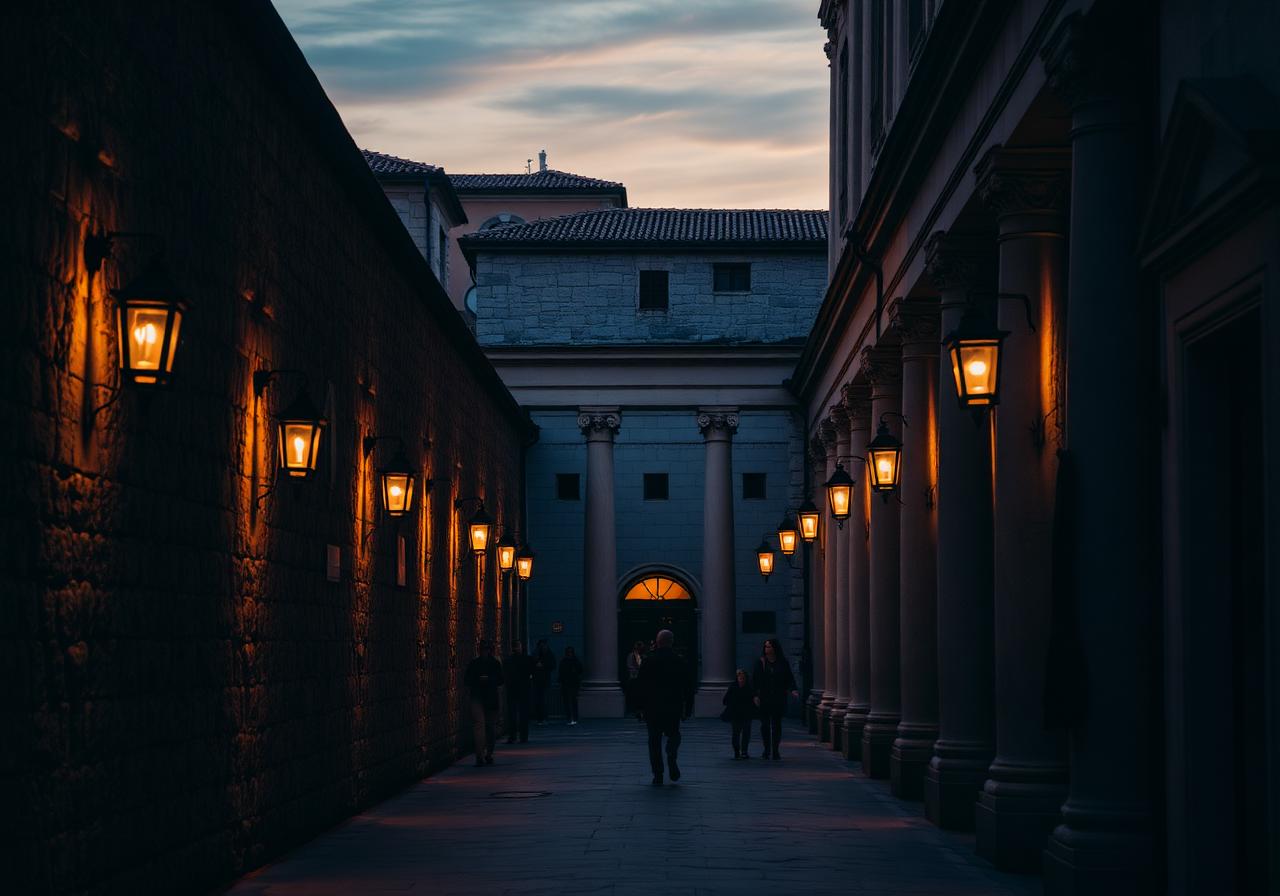
Winter Croatia is for the cities, not the coast. Dubrovnik and Split are sleepy and walkable, café terraces open in the sun, and you can have the Diocletian's Palace cellars almost to yourself. Plitvice in snow is genuinely magical, but check that the upper trails are open. Most island restaurants, ferries and hotels are closed until April.
- Avg highs: 10–14°C coast, 3–7°C inland
- Sea: 12–13°C, do not swim
- Crowds: none
- Prices: lowest of the year, hotels 50–60% off summer
April & May: The Underrated Window
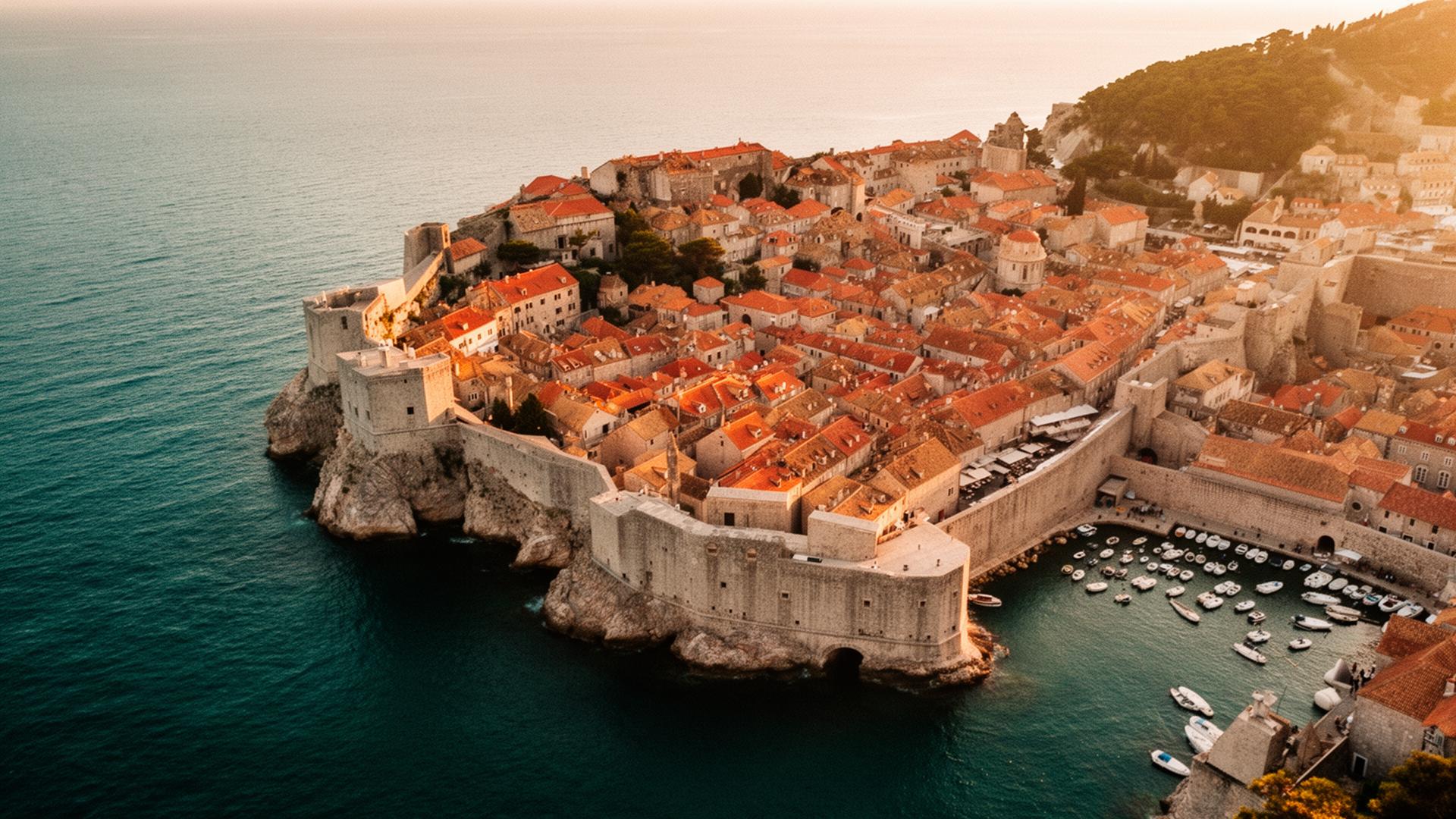
April brings cherry blossom in Istria and the first catamaran timetables. By mid-May the sea hits a swimmable 19–20°C, wildflowers carpet the karst, and Dubrovnik's walls open at 8:00 with empty viewpoints. This is when locals quietly take their own holidays. Pair it with our 48-hour Dubrovnik itinerary for the best version of the city.
June: The Sweet Spot
The first three weeks of June are arguably the best week to visit Croatia for first-timers. Sea is 22°C, days are 15 hours long, and the cruise schedule is still light. Book ferries to Hvar a few days ahead, not weeks. From June 25 onwards, prices and crowds climb hard.
July & August: Peak Everything
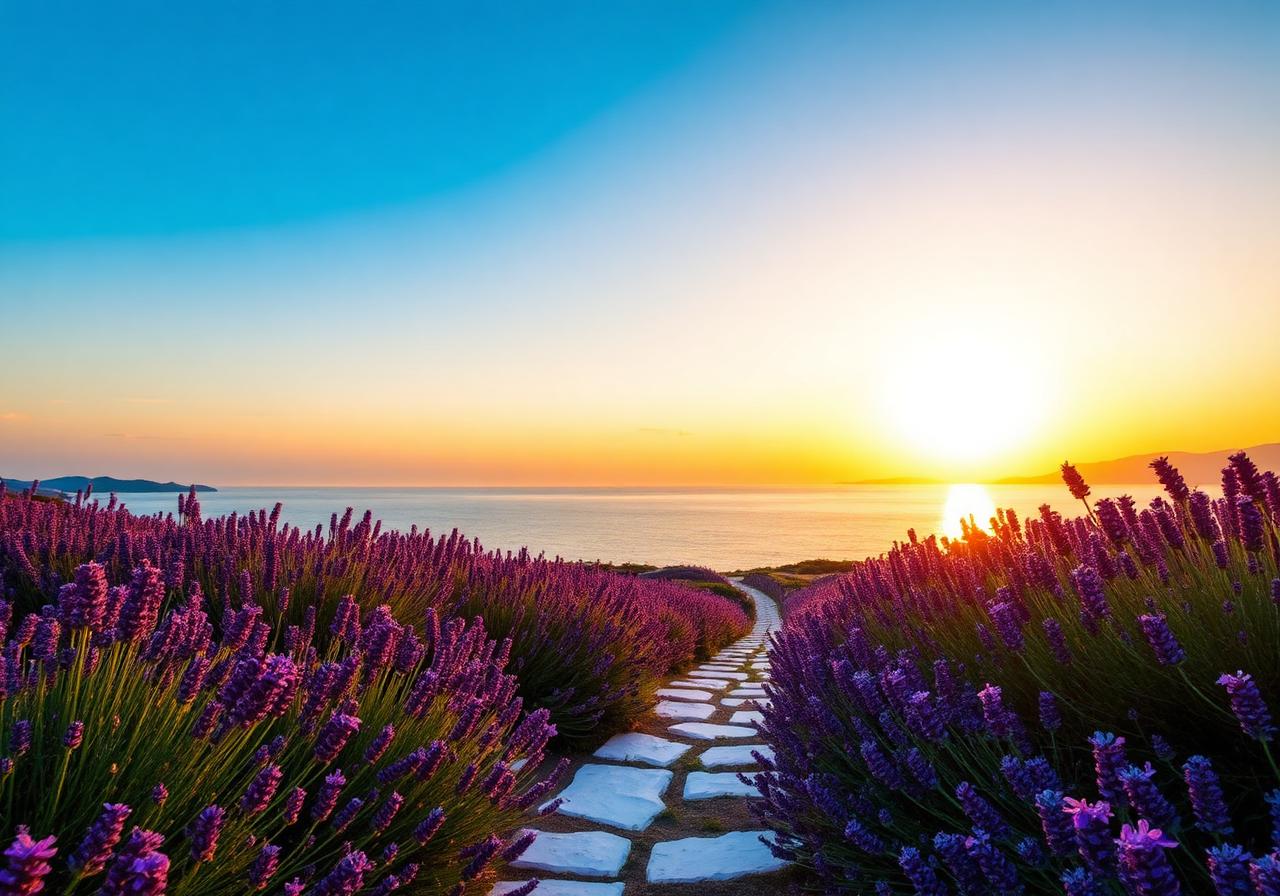
Yes, the water is 26°C and the lavender on Hvar is in bloom. Yes, you will pay double and queue for everything from the Game of Thrones tour to your morning burek. If you must come in peak, base yourself outside the old towns (Lapad in Dubrovnik, Marjan slopes in Split), book restaurants 72 hours ahead, and start every sightseeing day before 9:00.
August in Dubrovnik is a different city than September in Dubrovnik. The walls are the same. Everything else, the light, the queues, the price of a glass of wine, has changed.
September: The Locals' Secret
If we could only travel one month, it would be September. The sea is at its warmest of the year (25°C), the cruise schedule thins, kids are back at school, the harvest is on, and you can walk into a konoba without a reservation. Compare options in our best islands for first-time visitors guide.
October: Half-Price Croatia
Early October is still beach weather. Mid-October is cardigan-in-the-evening weather, but the food is at its peak — olive harvest, truffle season in Istria, the year's first cold-pressed oils. Rates are 40–50% below August.
November & December: Advent in Zagreb
Zagreb's Christmas market is regularly voted Europe's best. The coast is mostly closed. Read our Zagreb weekend itinerary if you are coming for Advent.
Quick Answer FAQ
Frequently asked questions
- When is the cheapest time to visit Croatia?
- November to March for cities; late October for the coast while restaurants are still open.
- Is Croatia good in May?
- Yes, especially late May. Sea is swimmable, days are long, and prices are roughly half of August.
- What is the warmest month in Croatia?
- August for air (highs 30–33°C), September for sea (25°C, warmed by the whole summer).