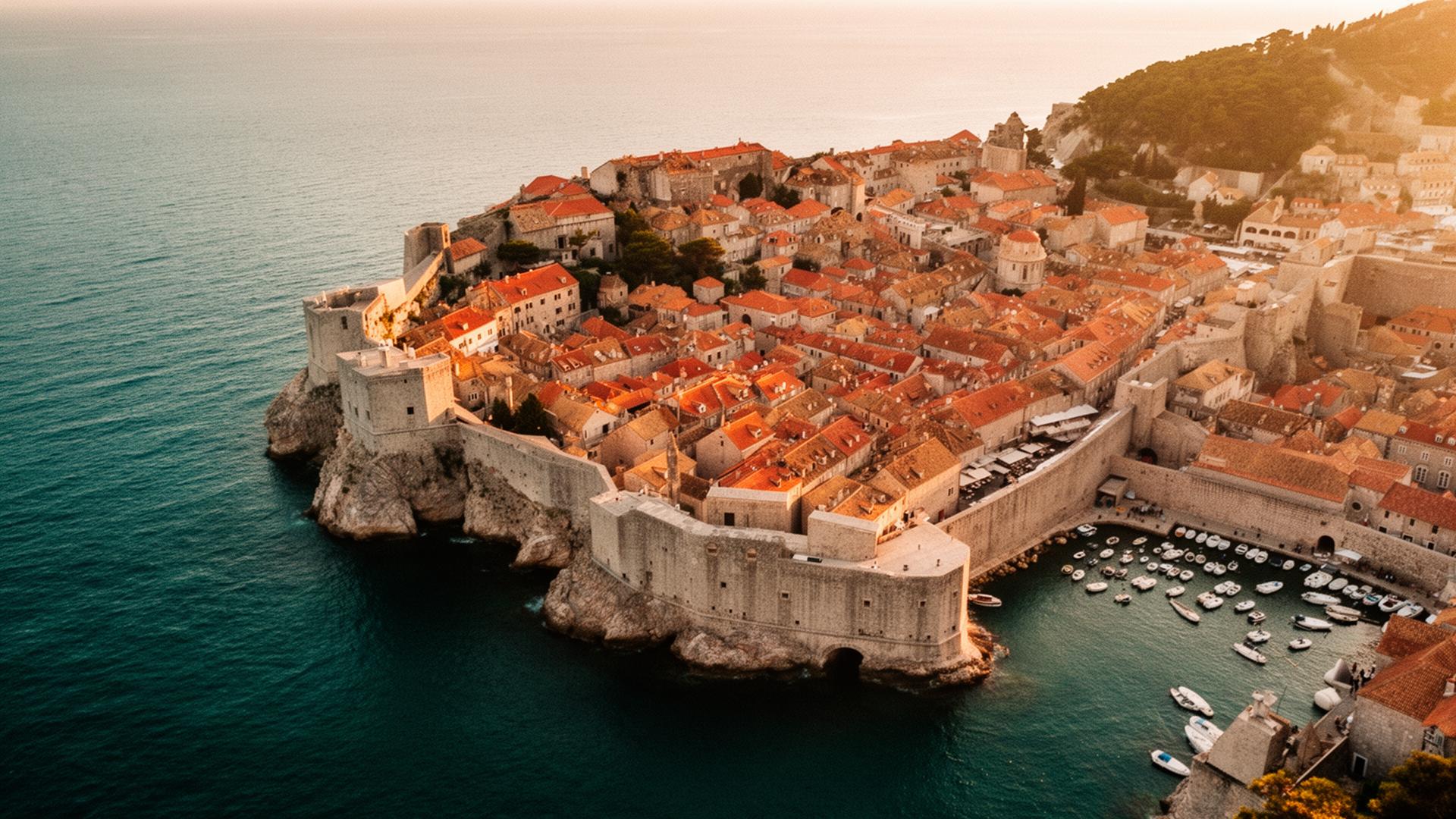
Cavtat is 18 kilometres south of Dubrovnik, on a wooded double-bay peninsula that the Greeks settled in the 3rd century BC as Epidauros and the Romans developed into one of the larger ports on the eastern Adriatic. When Slavic raids destroyed the Roman city in the 7th century, the survivors fled north and founded Dubrovnik. Sixteen hundred years later, Dubrovnik is one of the most photographed cities in Europe and Cavtat is the place where the people who run Dubrovnik's hotels actually live.
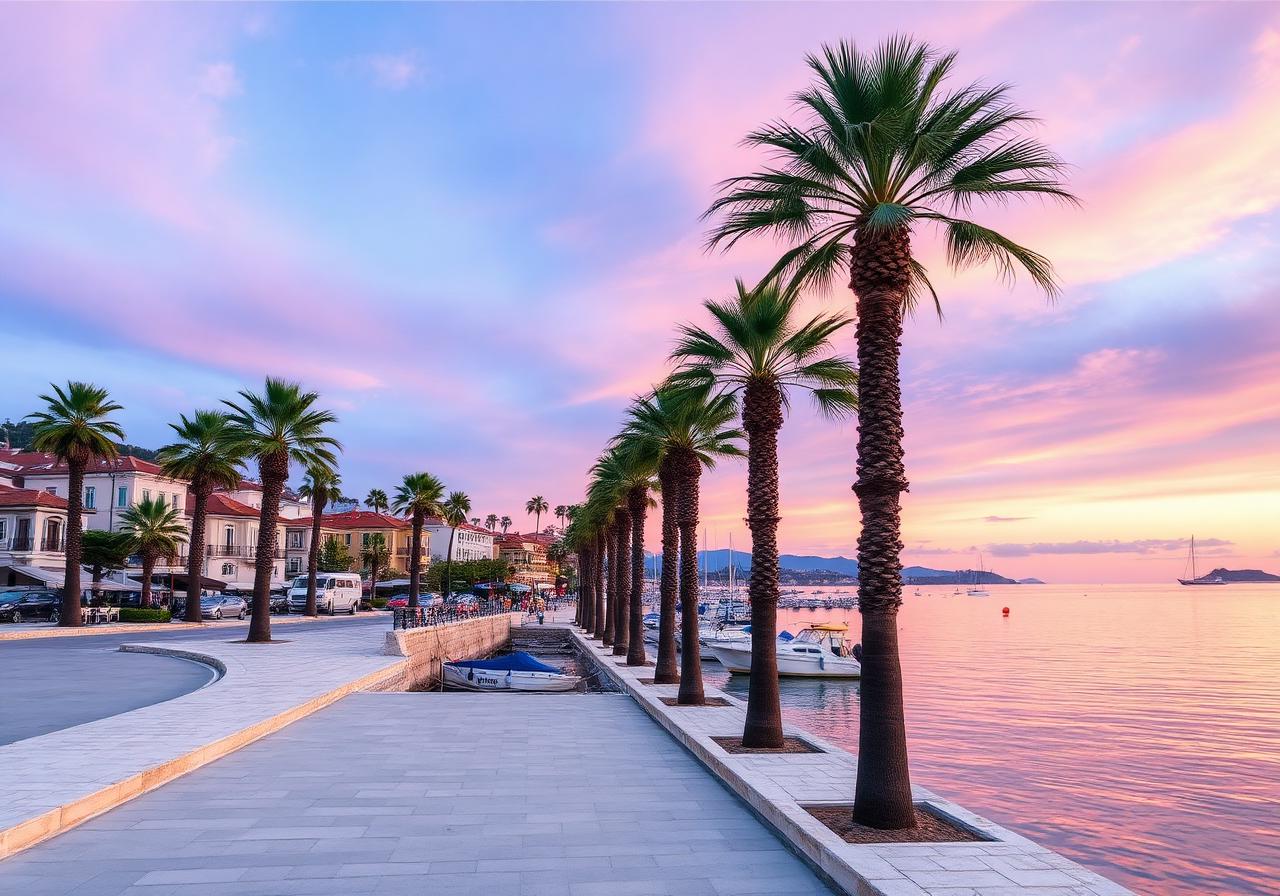
It has a palm-lined promenade, three excellent restaurants, one extraordinary gallery (the Račić Mausoleum by Ivan Meštrović, the most important Croatian sculptor of the 20th century), two small museums, six pebble beaches, two protected harbours, and not a single chain hotel inside the old centre. The local bus to Dubrovnik takes 40 minutes and runs every 30 minutes from 5:00 a.m. to midnight. The taxi-boat across the bay takes 45 minutes in summer. There is, in short, no reason to sleep inside Dubrovnik's walls, and a long list of reasons to sleep here instead.
Day One: Arrive Slowly
Take the airport bus from Dubrovnik airport (10 minutes, €5) or a taxi (€20) directly to Cavtat. Drop your bag at one of the small family hotels, Hotel Supetar on the main waterfront, Hotel Cavtat at the head of the bay, or one of the dozens of apartments rented out by local families through the usual platforms. Walk the 30 minutes around the peninsula. Swim from the rocks below the cemetery on the eastern side, where the water drops to four metres within two strokes of the shore.
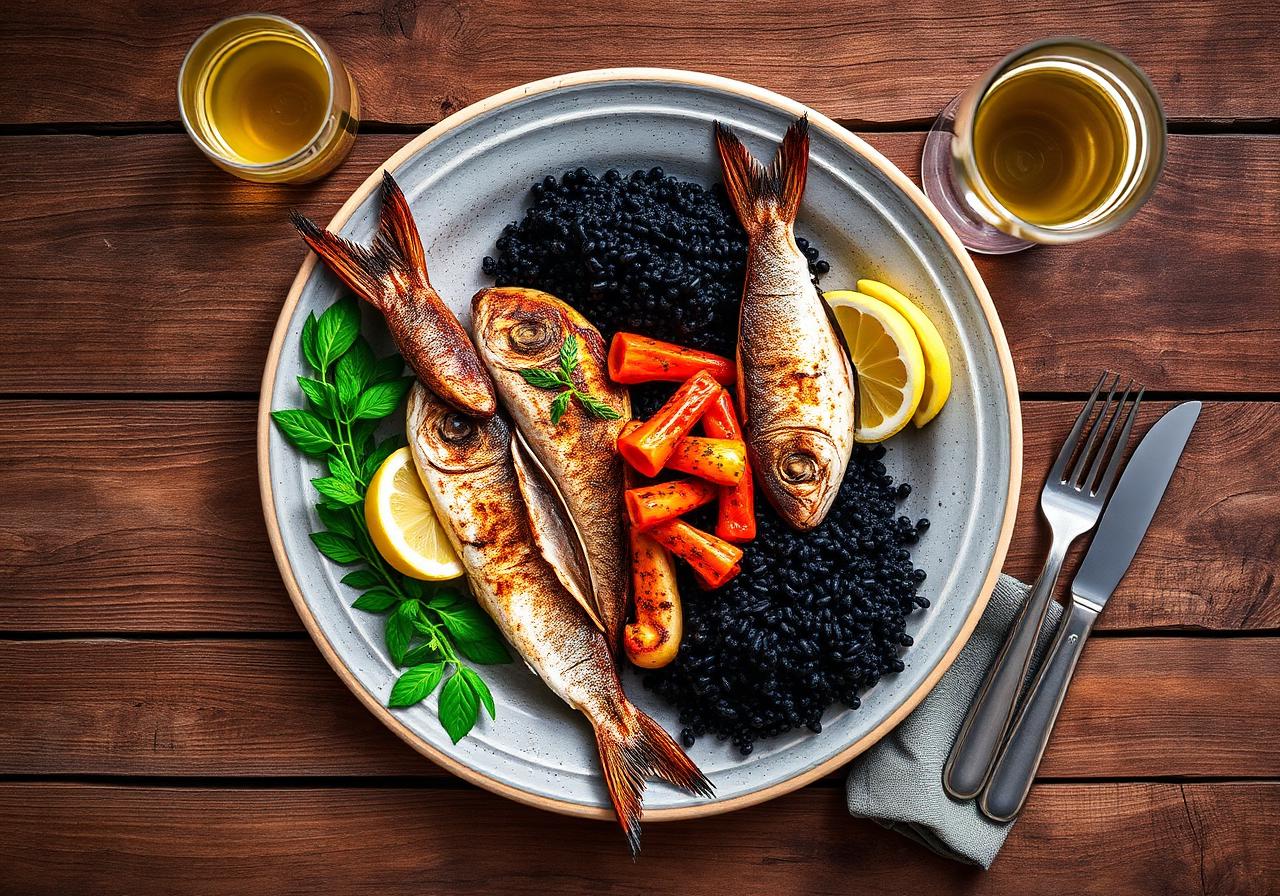
Dinner at Bugenvila on the promenade, modern Dalmatian cooking by a chef who trained in Copenhagen and came home. Order the tasting menu, the wine pairing (mostly Pelješac plavac mali), and a slice of orahnjača (walnut roll) to finish. €70 a head, the best meal you will eat for the price within an hour of Dubrovnik.
Day Two: Meštrović, the Mausoleum, and Old Dubrovnik in the Evening
Spend the morning on the peninsula. Walk to the Račić Mausoleum at the top of the cemetery hill, built between 1920 and 1922 by Ivan Meštrović for a shipping family who all died in the 1918 flu pandemic, octagonal in plan, white Brač limestone inside and out, ringed by four bronze caryatids of mourning women. It is one of the most quietly devastating small monuments in the Mediterranean. Combine with the Bukovac House, birthplace of Vlaho Bukovac, the most important Croatian painter of the late 19th century, restored as a small museum with his original studio intact.
Lunch at Konoba Kolona, two streets back from the water, grilled squid, peka if you call ahead. In the late afternoon, walk to the Cavtat town pier and catch the 17:00 taxi-boat to Dubrovnik (€15 one way, 45 minutes, you arrive directly at the old port). Walk the empty walls (open until 19:30 in summer), have a drink at Buža as the sun goes down, eat dinner anywhere on Prijeko, and take the 22:30 boat back to Cavtat with the lights of the city receding behind you. This is the right way to do Dubrovnik.
Day Three: The Konavle Valley
Rent a kayak from the small hut by the western pier (€20 for two hours) and paddle the short crossing to the uninhabited island of Supetar, opposite the old town. There is one small chapel, a ring of pines, and a pebble beach on the lee side that is yours for the morning.
After lunch, drive or take a taxi (€30 each way) into the Konavle valley, the southernmost strip of Croatian territory, twenty minutes inland, an entirely different landscape of vineyards, water mills and stone villages set against the wall of the Snježnica mountains. Eat at Konoba Konavoski Dvori, where the river Ljuta runs under the dining-room floor and the trout are pulled from a tank fed by the same river. Order a litre of the house red, the cold meats board, the grilled trout with chard and potato (blitva), and the home-distilled travarica. You will not be unhappy.
Cavtat is what Dubrovnik was before everyone discovered Dubrovnik, the same light on the same limestone, framed by the same cypresses, at a fraction of the noise and half the price.
When to Go, How to Stay, What to Skip
Best months: May, June, September, October. July and August are warm but the village fills with day-trippers from Dubrovnik in the middle of the day, the morning and the evening still belong to you.
Where to stay: family-run small hotels and apartments inside the old centre for atmosphere, the larger resort hotels on the Žal side of the peninsula for swimming pools and air conditioning. Avoid the cruise-port hotels at Kupari (a 15-minute drive north) unless you have a car.
What to skip: the catamaran 'island-hopping' day tours sold from the pier, they spend most of the day moving and very little in the water. Hire a private skipper for half a day instead (€200 for up to four people, ask at the harbour office).