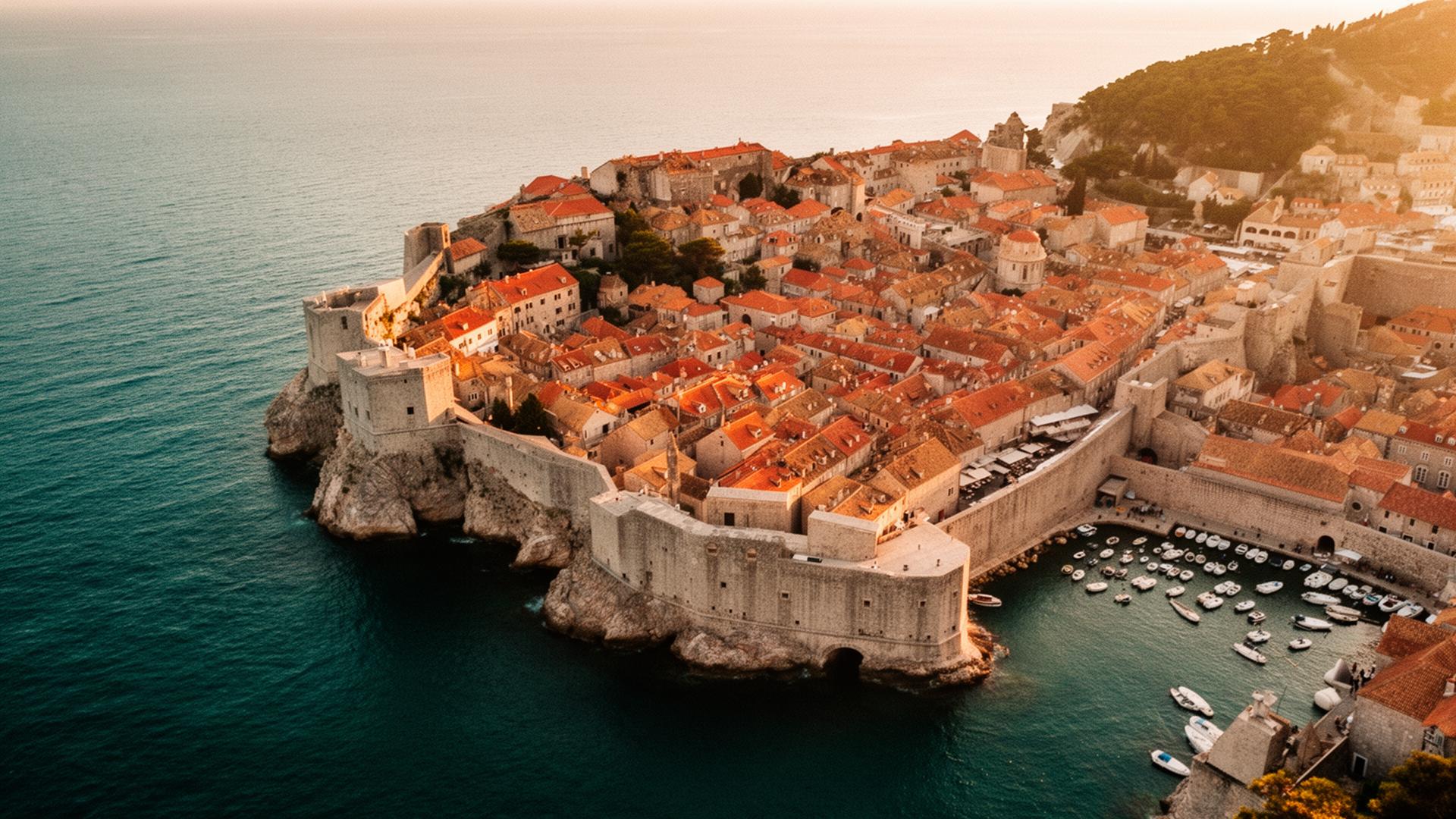
In the year 305 AD, the Roman emperor Diocletian, born poor in nearby Salona, retired wealthy and unusually voluntarily, moved into a palace he had spent ten years building on a sheltered bay on the eastern Adriatic. The palace was the size of a small town: 215 by 180 metres, four corner towers, sixteen intermediate towers, a 200-metre seafront colonnade, an octagonal mausoleum, a temple to Jupiter, and apartments grand enough to retire an emperor.
Three hundred years later, in the early 7th century, the inland Roman city of Salona was sacked by the Avars and Slavs. The refugees fled six kilometres south, climbed the walls of the half-abandoned palace, and never moved out. Seventeen centuries on, roughly three thousand people still live inside Diocletian's Palace. There are laundromats in the substructures. There are family bakeries built into the imperial mausoleum's outer wall. There are washing lines strung between windows cut, sometime in the medieval period, through 1,700-year-old marble. Split is not a city with a palace at its centre. Split is a palace that became a city.
This is a one-morning walking guide to reading that palace as a city, layer by layer, from the Roman emperor's bedroom through the medieval guild halls to the Venetian renaissance, the Austro-Hungarian cafés, and the everyday Croatian apartment where a grandmother is making coffee right now above what used to be the imperial bathhouse.
Start at the Bronze Gate, 7:30 a.m.
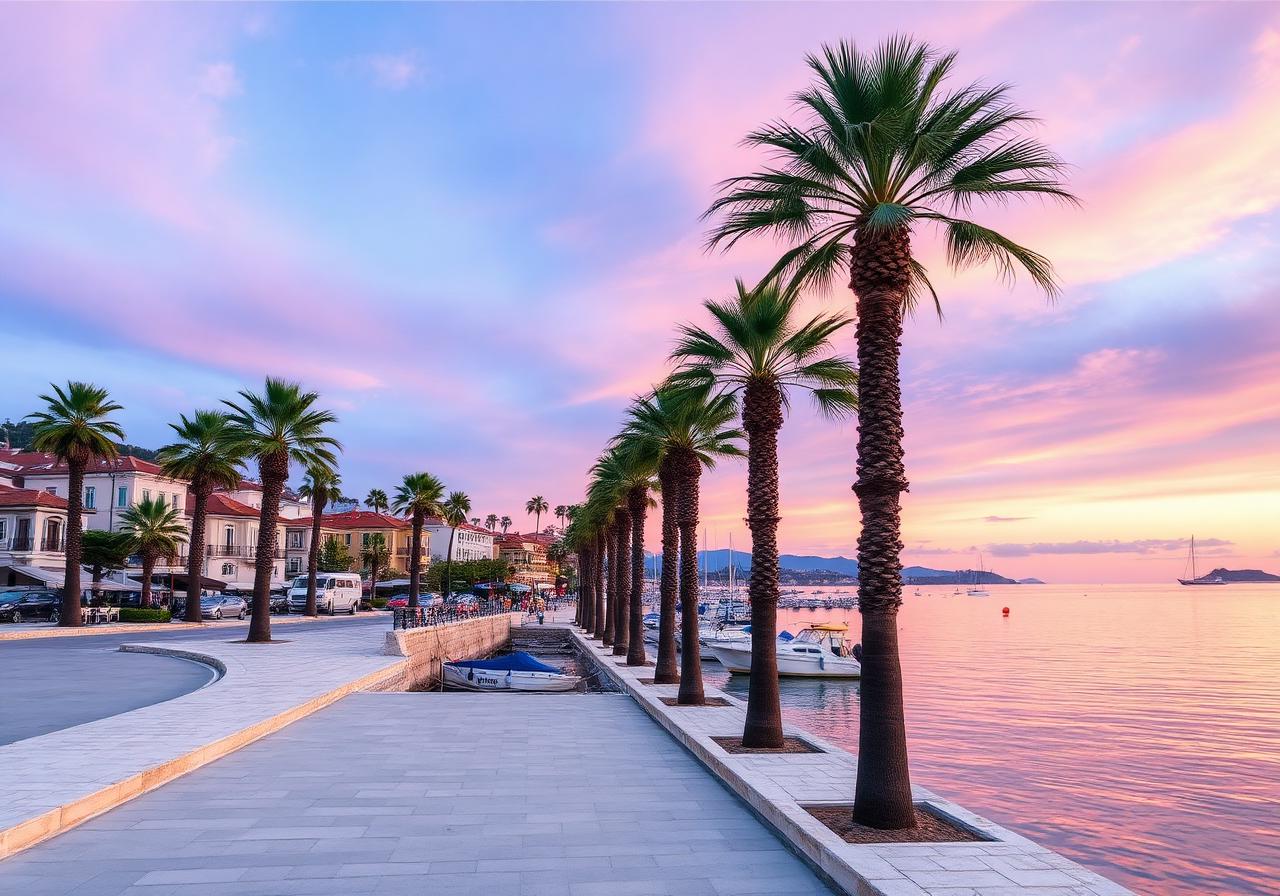
The Bronze Gate (Porta Aenea) was the palace's southern, seafront entrance, designed so a galley could pull alongside and the emperor could walk straight from boat to apartment. Today it opens onto the Riva, the broad palm-lined waterfront promenade, and leads directly into the palace substructures, vast vaulted halls originally built only to support the imperial apartments above, abandoned for centuries, used as a rubbish dump for most of the medieval period, and rediscovered in the 1950s when the city began clearing them out. They are now used for craft markets, occasional concerts, and one of the most famous filming locations from Game of Thrones (Daenerys's dragons spent a season here).
Walk up the central stairway and you emerge, blinking, into the Peristyle, a colonnaded courtyard of dark Egyptian granite columns and pale local limestone, ringed by red sphinxes Diocletian shipped over from Egypt. The cathedral bell tower towers above the eastern side; opposite, three steps lead up to the Vestibule, a domed rotunda that was once the formal antechamber to the emperor's apartments. Klapa singers (Dalmatian a cappella) often perform here for tips, the acoustics are extraordinary, the dome amplifies a single voice into a small choir.
Climb the Bell Tower of St Domnius
The cathedral on the east side of the Peristyle is not, originally, a cathedral. It is Diocletian's mausoleum, built to hold the emperor's sarcophagus, octagonal in plan, ringed by twenty-four columns, capped by a dome. In one of history's neater ironies, Diocletian was the last great Roman persecutor of Christians; within three centuries of his death, the early Christians of Split had thrown his remains out, dedicated his mausoleum to Saint Domnius (a bishop he had executed), and turned the temple of Jupiter across the square into a baptistery. The bell tower was added in the 13th century. Climb it: €7, 183 metal stairs, a panoramic view of every terracotta roof in the old town and, on a clear day, the islands of Brač, Šolta and Hvar.
Get Lost Between the Iron Gate and the Silver Gate
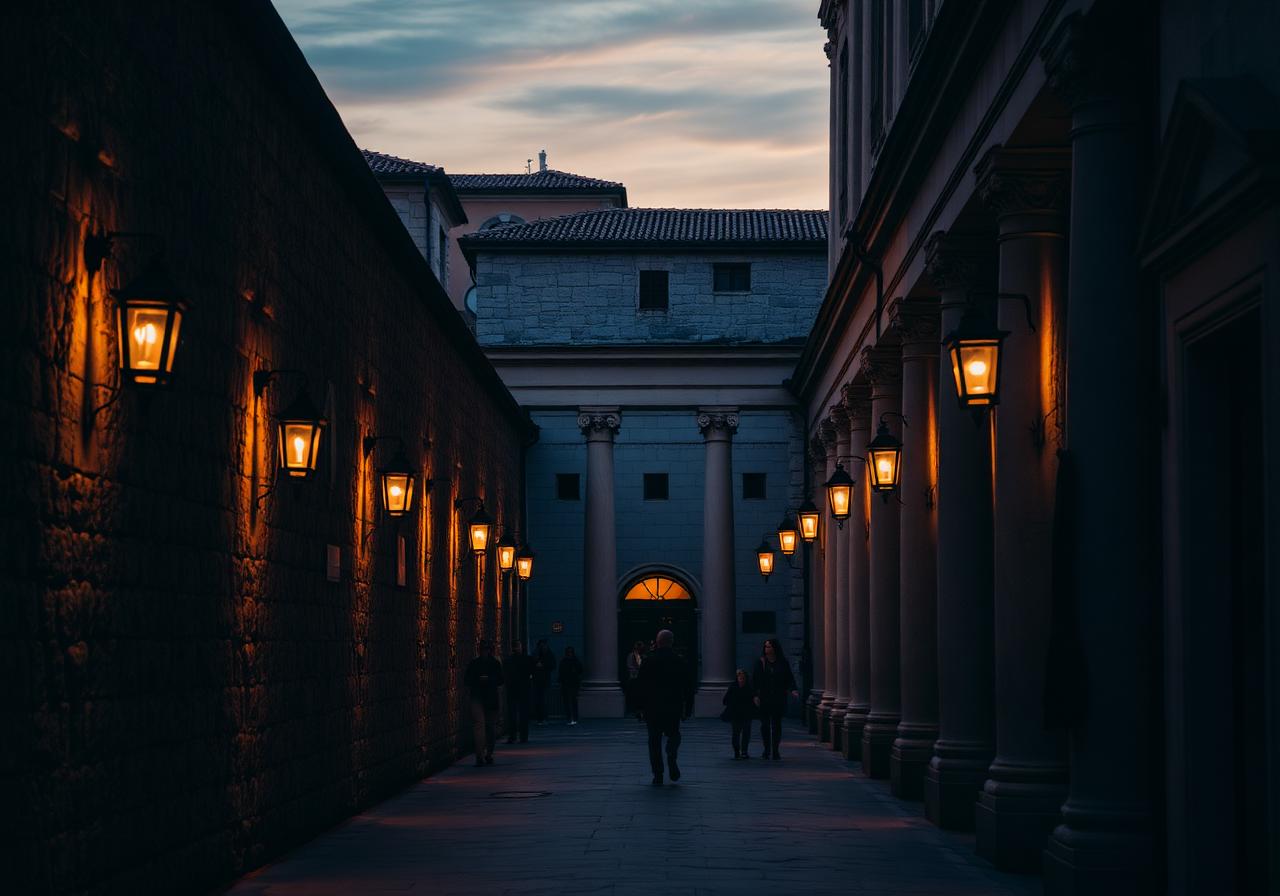
The grid of narrow alleys between the eastern (Silver) and western (Iron) gates of the palace is where the city most fully overgrew the Roman plan. Walk slowly. You will pass apartments where laundry hangs from windows cut into 1,700-year-old stone, a butcher's shop built into a former Roman shrine, three different bakeries selling burek (flaky pastry filled with cheese, meat or spinach) at €2.50 a portion, and at least one grandmother making coffee at her kitchen window above your head.
The single most beautiful corner is the small square called Mihovilova Širina, two minutes north of the Peristyle. Three small cafés, one fig tree, no through traffic, and the slow, low murmur of a city that has done this, woken up inside someone else's palace, every single morning for fourteen hundred years.
The palace is the city's living room. Children play football in the Peristyle. Couples argue in the Vestibule. A Roman emperor's bedroom is now someone's three-room flat with a washing machine on the balcony.
Where to Eat, Drink and Sit Still
Coffee: D16 on Dominisova for serious third-wave espresso, or Kava na kantun (literally 'coffee on the corner') for a €1.50 macchiato standing at a hole in the wall. Breakfast pastry: Kruščić bakery near the Golden Gate, the burek is from the wood oven at the back.
Lunch: Villa Spiza on Petra Kružića has five tables, no menu, and a chef who buys whatever looked good at the morning fish market on the Riva. Show up at 12:30 sharp. Konoba Marjan, in the small park-side neighbourhood west of the palace, is the other place locals quietly send their visiting in-laws.
Aperitivo: Marcvs Marvlvs Spalatensis (yes, Roman numerals, yes, the wine is good) for a glass of pošip on a tiny square; Bokeria for negronis if you want a slightly more polished room.
Dinner: Konoba Matejuška in Veli Varoš, the old fishermen's quarter five minutes west of the palace, for the city's best pašticada. Bokamorra near the bus station for genuinely good Napoletana pizza if you have had enough fish for one week.
One Half-Day Trip That Will Change Your Idea of Split
From the Riva, board the local Jadrolinija ferry to Rogač on the island of Šolta, 60 minutes, €5, a fraction as touristed as Hvar or Brač. Rent a bicycle at the pier, ride 4 km to the village of Maslinica with its tiny Renaissance castle and pebble bays, swim, eat octopus at Konoba Šišmiš, and ride back for the 18:00 ferry. You return to Split at sunset, walking up Marmontova street as the light hits the limestone, with that specific quiet certainty that you have just done a day right.